Are There Bodies In The Great Wall Of China? The Honest Answer
It is one of the most repeated claims about the Great Wall: that it is the longest cemetery on earth, with the bodies of dead workers built into its core. It makes for a haunting story. The honest answer is more nuanced, and the evidence points in a clear direction.
In Brief: Separate the folklore from the fortifications. For a visit with historical context, pair Badaling with the Ming Tombs.
Explore Badaling And Ming Tombs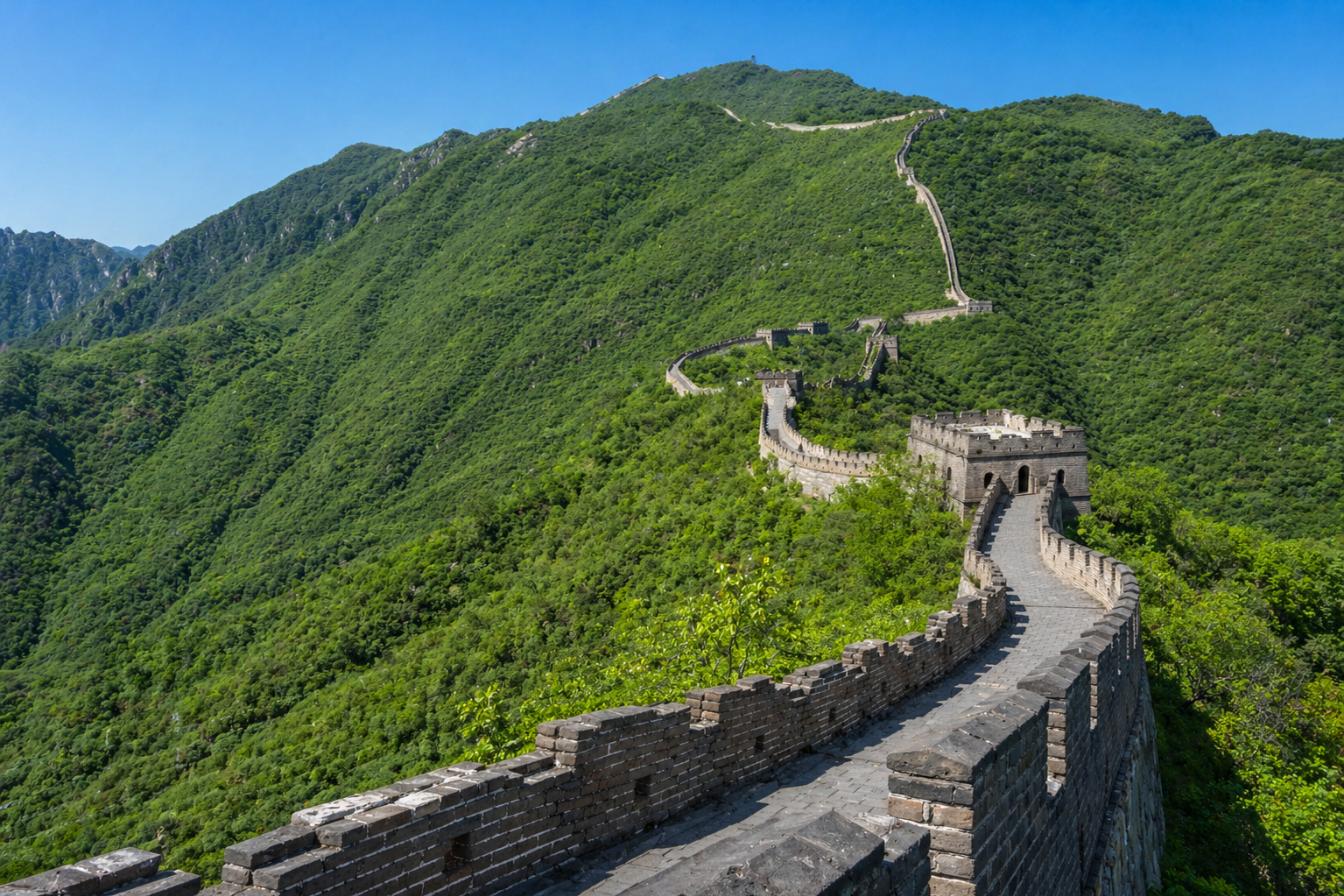
Package note: the editorial prices are approximate planning figures, not current quotes. Guide, meal and ride inclusions differ by option; the reviewed recommendations below state the relevant exclusions. A tour is not automatically cheaper than DIY.
This question comes up constantly, so it deserves a straight, sourced answer rather than a ghost story. Two separate things are usually tangled together: did people die building the Wall, and are their bodies inside it. The answers are not the same.
Did Workers Die Building The Great Wall?
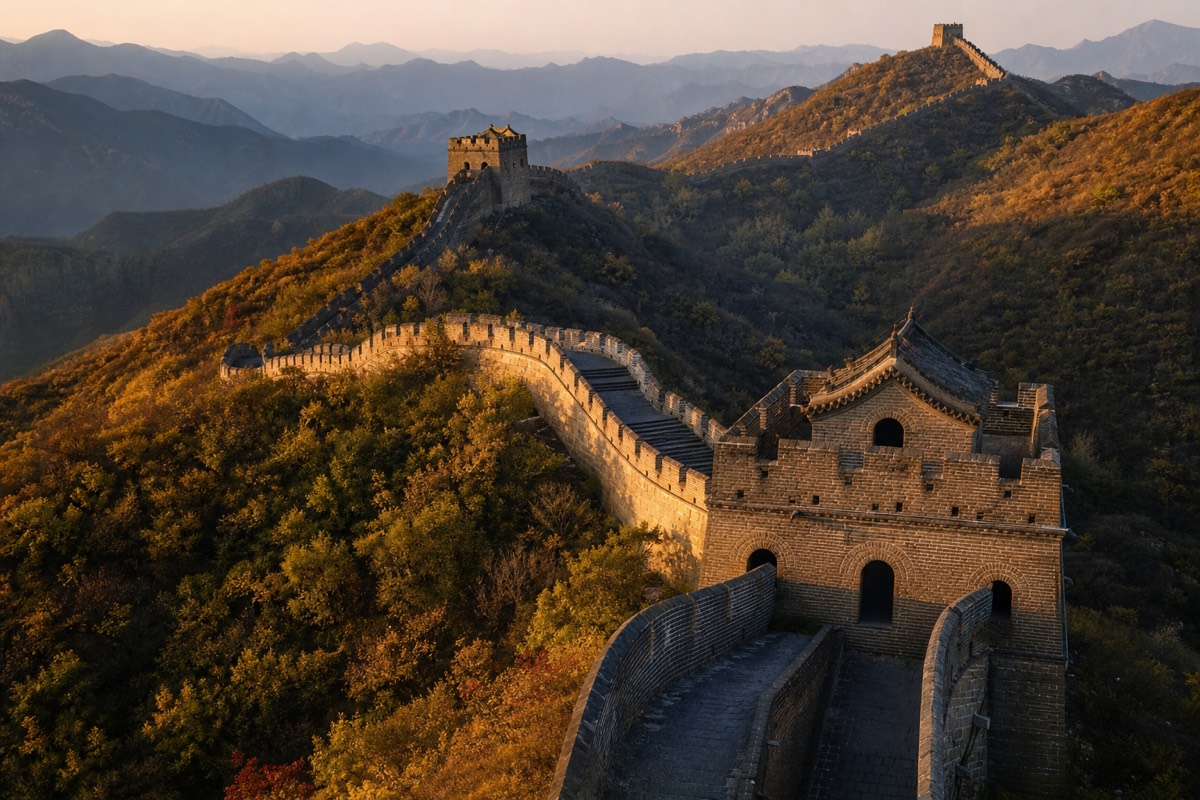
Yes, and in large numbers, though not all at once. The Wall was built and rebuilt over many centuries by soldiers, conscripted labourers and prisoners, in harsh terrain and harsh conditions. Historical estimates of the total death toll across that entire span run high, with figures up to several hundred thousand cited over the centuries of construction. Hardship, cold, accidents and disease all took a toll. That much is not seriously disputed.
Are The Bodies Buried Inside The Wall?
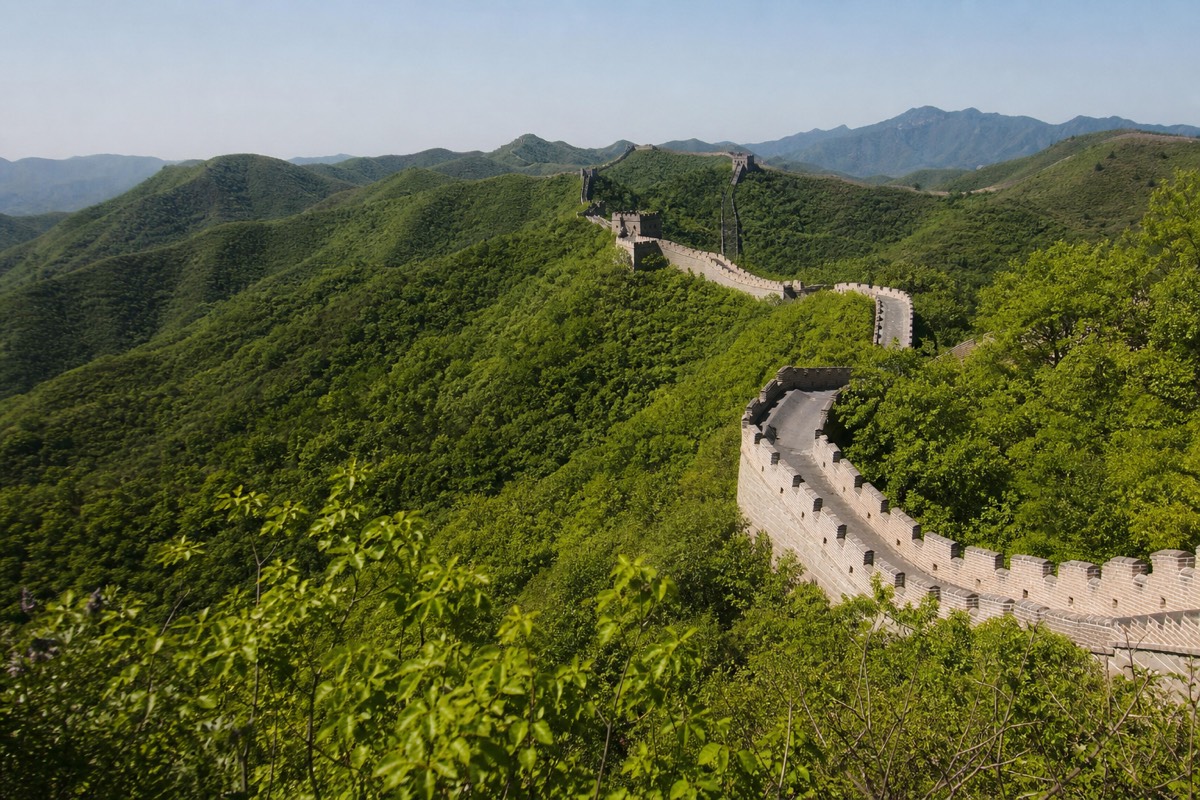
This is the part that does not hold up. There is no archaeological evidence that human bodies were used as building material or buried within the structure of the Wall. Despite extensive study of many sections, no human remains have been found inside the ramparts. Workers who died were buried in the ground, near the works, not entombed in the wall itself. The "longest cemetery" line is a piece of folklore, not a documented fact.
Where Did The Legend Come From?
The idea has old roots. Ancient Chinese texts and enduring folk tales refer to the suffering and deaths of Wall labourers, and one of the most famous Chinese legends, the story of Meng Jiangnu whose weeping is said to have collapsed a section of the Wall to reveal her dead husband's bones, kept the image of bodies and the Wall bound together in the popular imagination for centuries. Over time, "many people died building it" hardened, in retellings, into "the bodies are in it." The emotional truth of the hardship is real; the literal claim about bodies in the structure is not supported.
Why The Real Story Is Worth Knowing
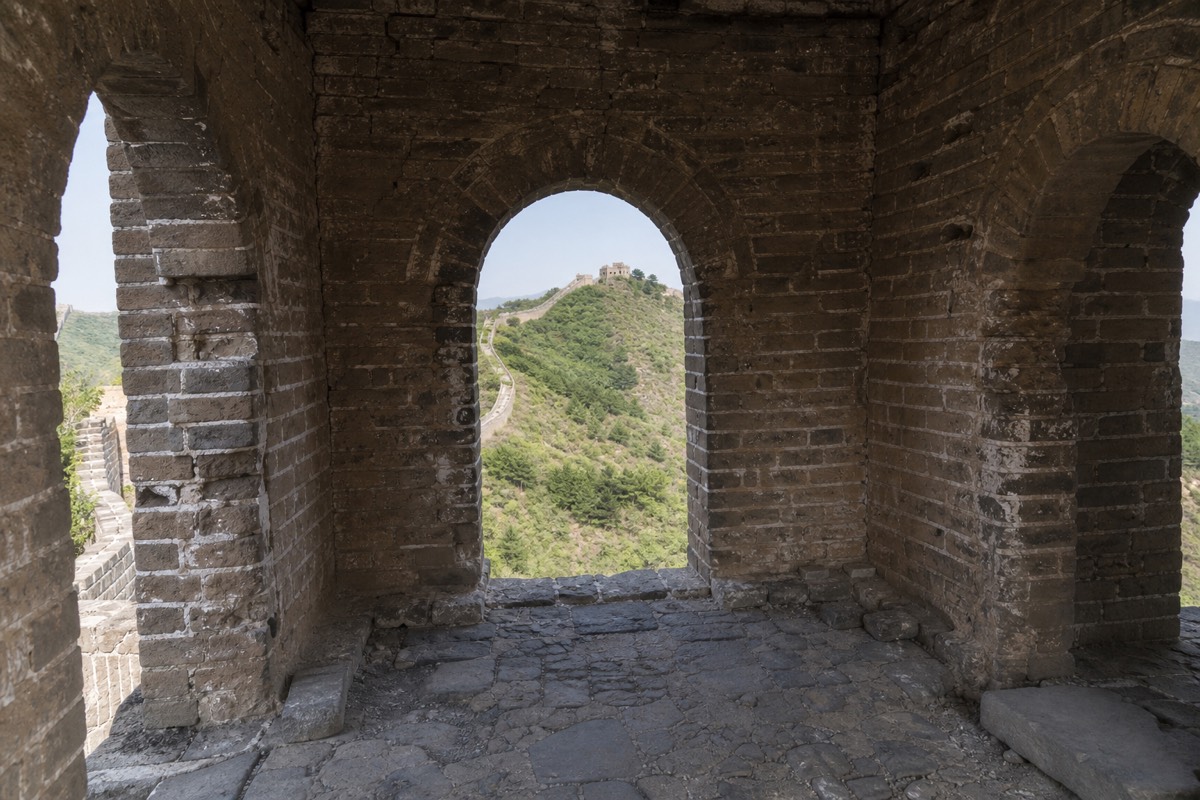
Clearing up the myth does not diminish the Wall, it sharpens what is genuinely remarkable about it: an immense fortification built by hand across mountains over two thousand years, at a real human cost, by people whose labour still stands. When you walk a section like Badaling or Mutianyu today, you are walking on the work of those labourers. That is a more honest and, in its way, more moving thought than the ghost story.
The Short Version
| Claim | Verdict |
|---|---|
| Workers died building the Wall | True, historically, in large numbers over centuries |
| Bodies are buried inside the Wall | No archaeological evidence; not supported |
| The Wall is "the longest cemetery on earth" | Folklore, not fact |