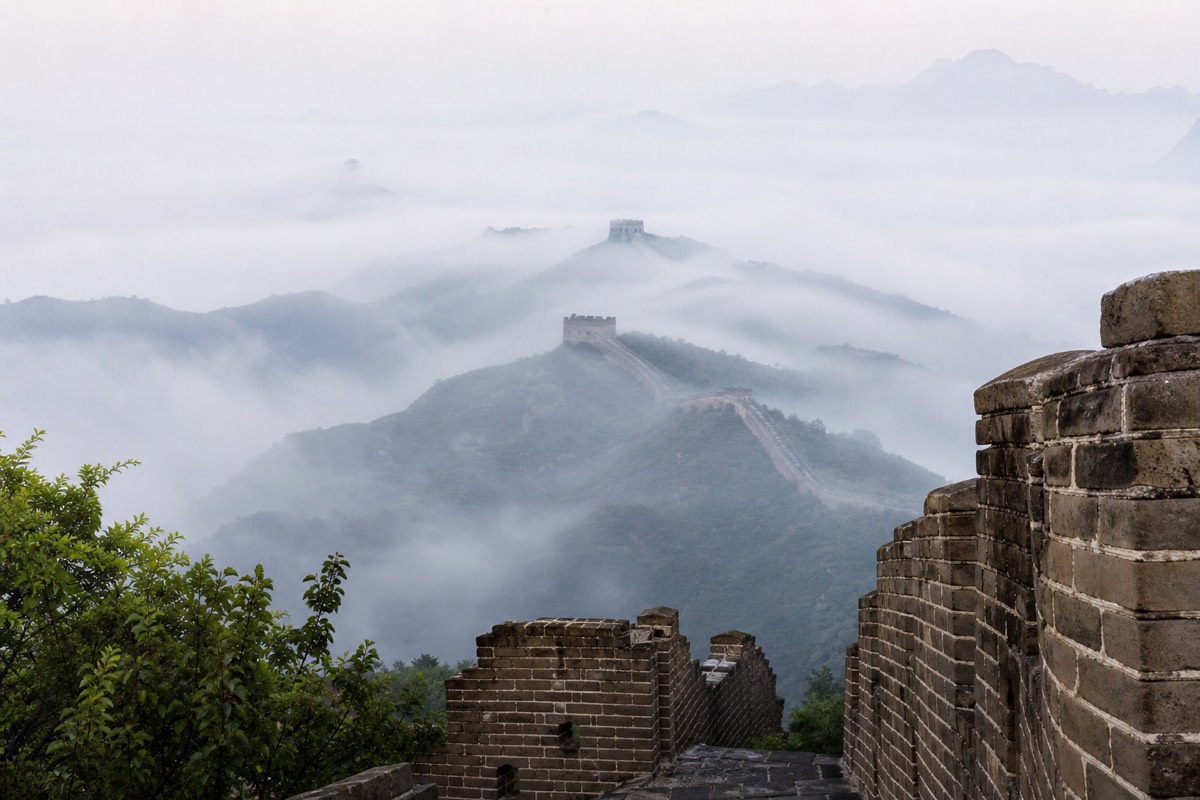
Is There Food At The Great Wall? What To Eat And What To Bring
It is a fair question, and the answer is yes, there is food at the Great Wall, but almost all of it is at the base rather than on the ramparts. What you find depends heavily on which section you visit, and a little planning saves you from paying tourist prices for a bottle of water halfway up.
In Brief: Eat at the base and carry snacks for the ramparts. For a meal already in the itinerary, choose a Mutianyu day with local lunch.
Explore Mutianyu With A Private Guide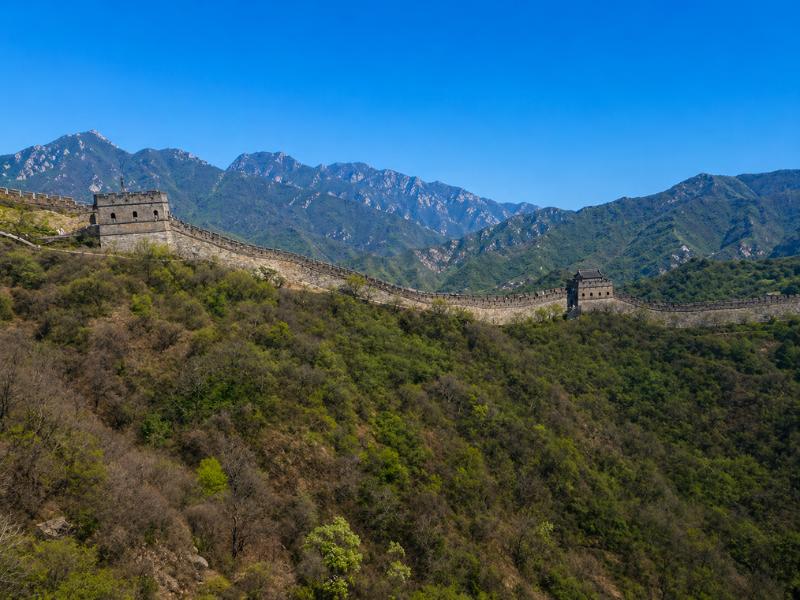
Package note: the editorial prices are approximate planning figures, not current quotes. Guide, meal and ride inclusions differ by option; the reviewed recommendations below state the relevant exclusions. A tour is not automatically cheaper than DIY.
Nobody wants to discover they are hungry, thirsty and three watchtowers from the nearest vendor. Here is what is actually available, section by section, and what you should carry regardless.
Food At Mutianyu
Mutianyu is well served at the base. Near the ticket office and along the approach there is a cluster of restaurants, including long-established local spots serving mountain classics, stir-fries, noodles and dumplings, along with hot pot and casual cafes. It is not a food destination, and prices sit above what you would pay in central Beijing, but you will not go hungry, and a sit-down lunch before or after the wall is easy to arrange.
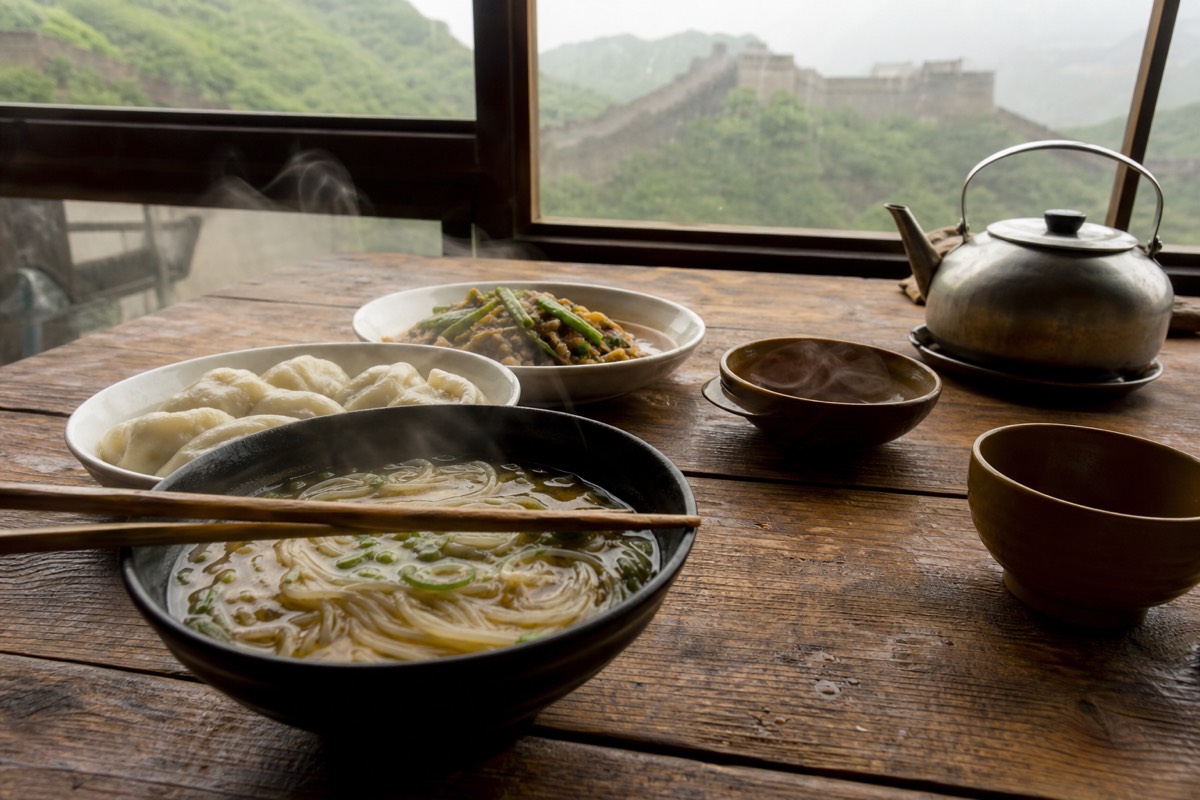
Food At Badaling
Badaling, being the busiest section, has the most options. There is a food court near the entrance with international fast food and Chinese dishes, a walking street lined with vendors selling noodles, snacks and fruit, and various restaurants and cafes. The choice is wide and the quality is ordinary, which is exactly what you would expect at the most visited section. It is convenient rather than memorable.
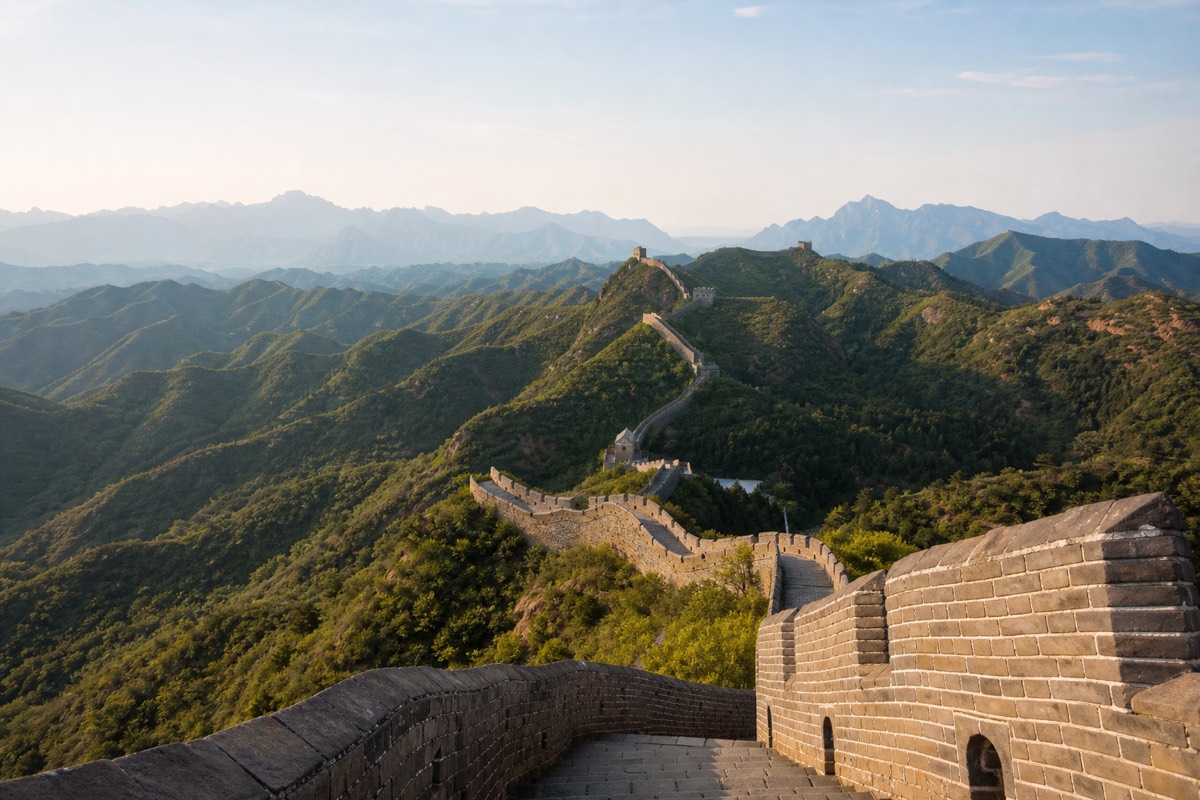
What About On The Wall Itself?
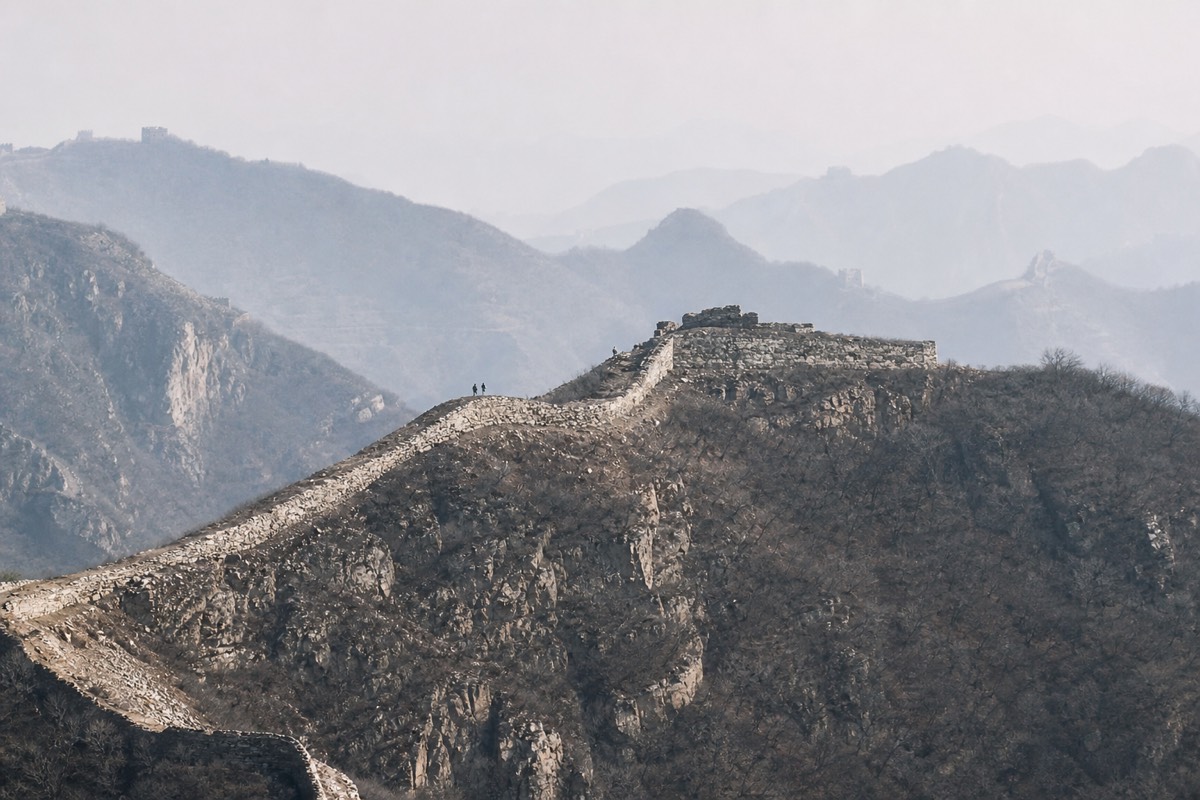
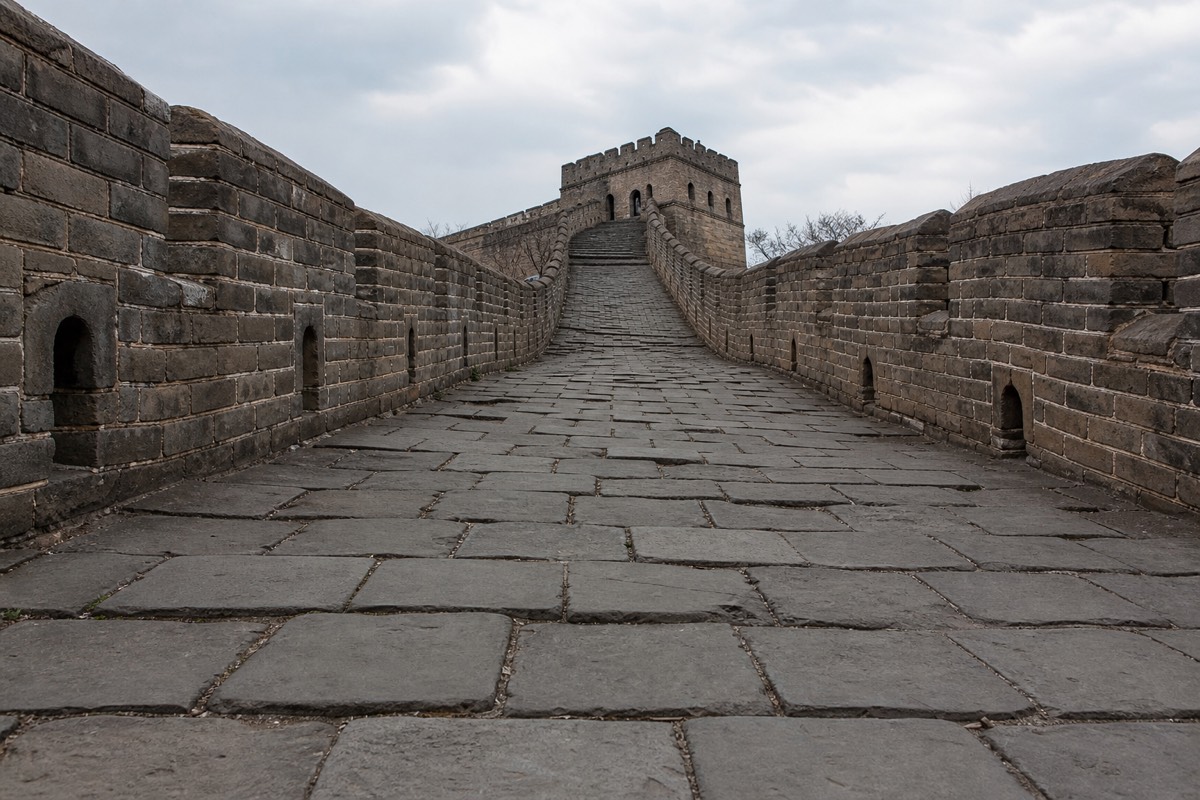
On the ramparts themselves there is little to nothing. You may pass the occasional vendor near the cable-car stations at Mutianyu or Badaling, but at quieter sections like Jinshanling there is essentially nothing once you are walking. Where vendors do exist on or near the wall, prices run several times higher than at the base. The takeaway: eat at the bottom, and carry your own water and snacks for the walk.
What To Bring
- Water, and more than you think: 1.5 to 2 litres per person, especially in summer. This is the single most important thing to pack.
- Portable snacks: fruit, nuts, energy bars or similar to keep you going on the walk.
- A little cash for vendors, as small stalls may not take foreign cards.
- Sun protection and, in cooler months, something warm; the ramparts are exposed.
A Simple Plan For The Day
The easiest approach is to have a proper meal at the base before or after your walk, and treat the wall itself as a water-and-snacks stretch rather than a place to find lunch. If you are on a guided day tour, ask your guide where the good local spots are near the ticket office; they know which of the base restaurants are worth your time and which to skip. That way you get a decent meal, you are not overpaying on the ramparts, and you have enough water to enjoy the walk instead of cutting it short.