Mutianyu Vs Badaling Vs Jinshanling: Which Great Wall Section To Visit
The Great Wall is not one place. From Beijing you can reach at least six very different sections, and the one you choose decides your whole day: how far you drive, how many people you share the view with, and whether you spend the afternoon on a cable car or scrambling over broken stone. This guide compares all six on the things that actually change your visit, then points you to the right one by traveller type.
In Brief: Mutianyu for ride choices, Badaling for the famous view, Jinshanling for hiking. Choose the experience and pace before booking transport.
Explore Mutianyu With A Private Guide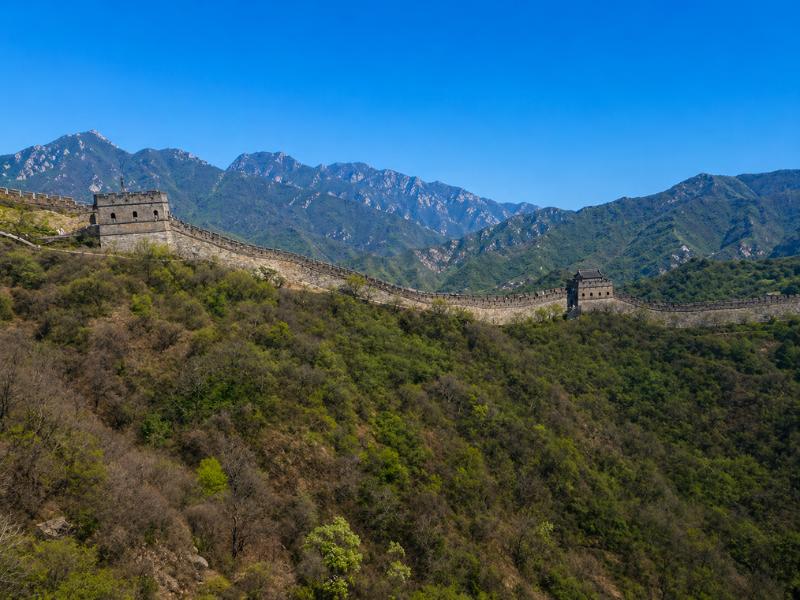
Walking and ride note: restored ramparts still have steep, uneven steps. Cable cars reduce the approach climb but do not establish step-free access or suitability for every traveller. Confirm rider restrictions and current operations before booking. Package note: the editorial prices are approximate planning figures, not current quotes. Guide, meal and ride inclusions differ by option; the reviewed recommendations below state the relevant exclusions. A tour is not automatically cheaper than DIY.
Almost every visitor to Beijing asks the same question first, and it is the right one. There is no single "best" section, only the section that fits what you want from the day. Get it wrong and you can spend hours in traffic to shuffle along a crowded rampart in the haze; get it right and you get one of the great views on earth with room to breathe. Below, the quick answer, then a full head-to-head on crowds, access, cost, scenery and difficulty, and finally a decision by who you are travelling with.
The six sections at a glance: distance from Beijing and how busy they get
Distances are approximate road distances from central Beijing; crowd levels are typical, not holiday peaks (Badaling reaches its 65,000 daily cap on Golden Week). Figures compiled from official section data and operator listings.
The Quick Answer
Mutianyu is the best all-round choice for most first-time visitors: well restored, a cable car and a toboggan down, forested scenery, and noticeably fewer people than Badaling. Badaling is the most famous and the fastest to reach by train, but also the most crowded. Jinshanling is the one for hikers and photographers who want long, half-wild views and space to breathe. Everything after this section is the detail behind that answer.
What Are The Main Great Wall Sections Near Beijing?
Six sections are realistically visitable on a day trip from Beijing: Badaling, Mutianyu, Jinshanling, Simatai, Jiankou and Huanghuacheng. Three are restored and easy to walk (Badaling, Mutianyu, and much of Jinshanling), one opens at night (Simatai), and two are wild or unusual (Jiankou and Huanghuacheng). They spread across the mountains north and northeast of the city, and the distance from Beijing, from about 70 km to 130 km, roughly tracks how quiet each one is.
All of them are Ming-dynasty wall, built and rebuilt between the 14th and 17th centuries and routed along the ridgelines, which is why they photograph the way they do. The Great Wall as a whole runs around 21,196 km across all dynasties, with the Ming wall alone at roughly 8,850 km, and it has been a UNESCO World Heritage Site since 1987. What you actually choose between, though, is these six accessible stretches, so the rest of this guide sticks to them.
Badaling: The Famous One
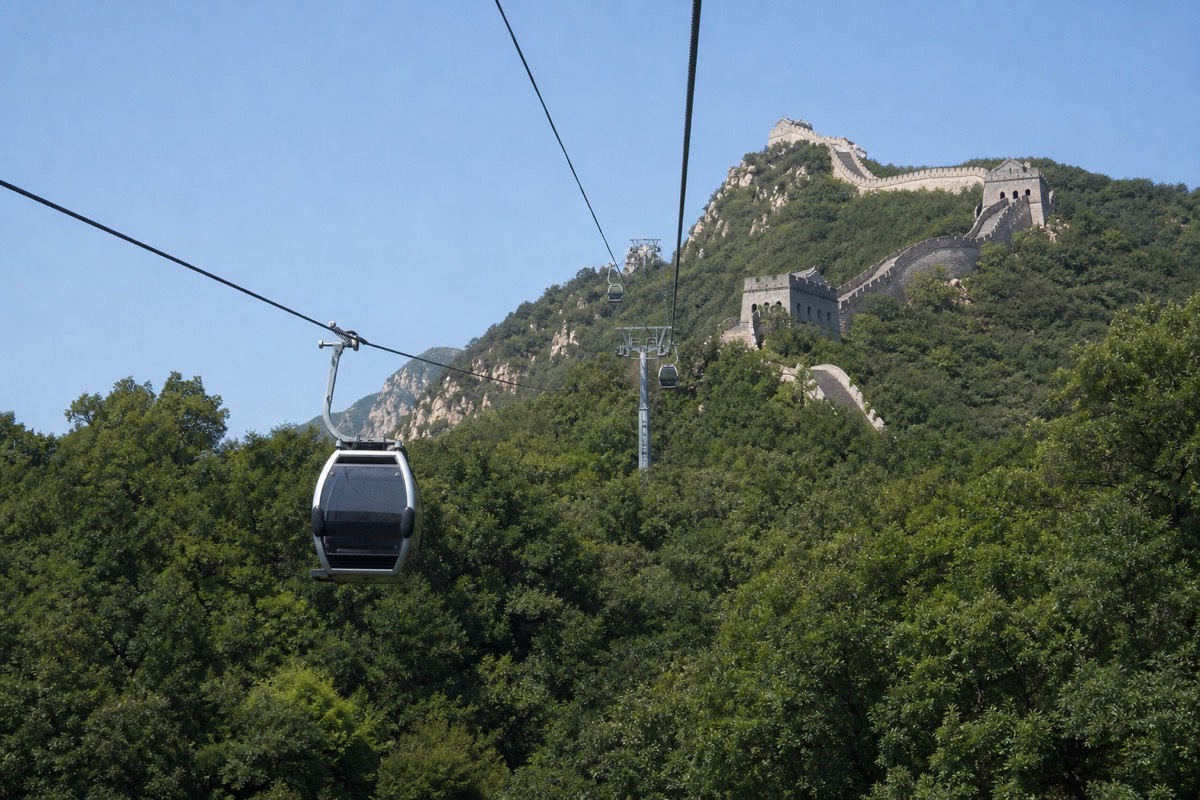
Badaling was the first section fully restored for tourism and sits about 80 km from Beijing, so it became the default. State visitors and package tours go here, and it is the stretch you have seen in a hundred documentaries. It has complete facilities, a cable car, and the widest, most solidly rebuilt ramparts of any section. The trade-off is people. Badaling carries an official daily quota of 65,000 visitors, and on a summer weekend or a public holiday it hits that ceiling, which is when the "it was just a crowd" reviews get written. Its saving grace for the independent traveller is access: a high-speed train from Beijing reaches it in around 20 to 26 minutes, faster than any other section. Entrance is around ¥40, with a cable car on top of that.
Mutianyu: The All-Rounder
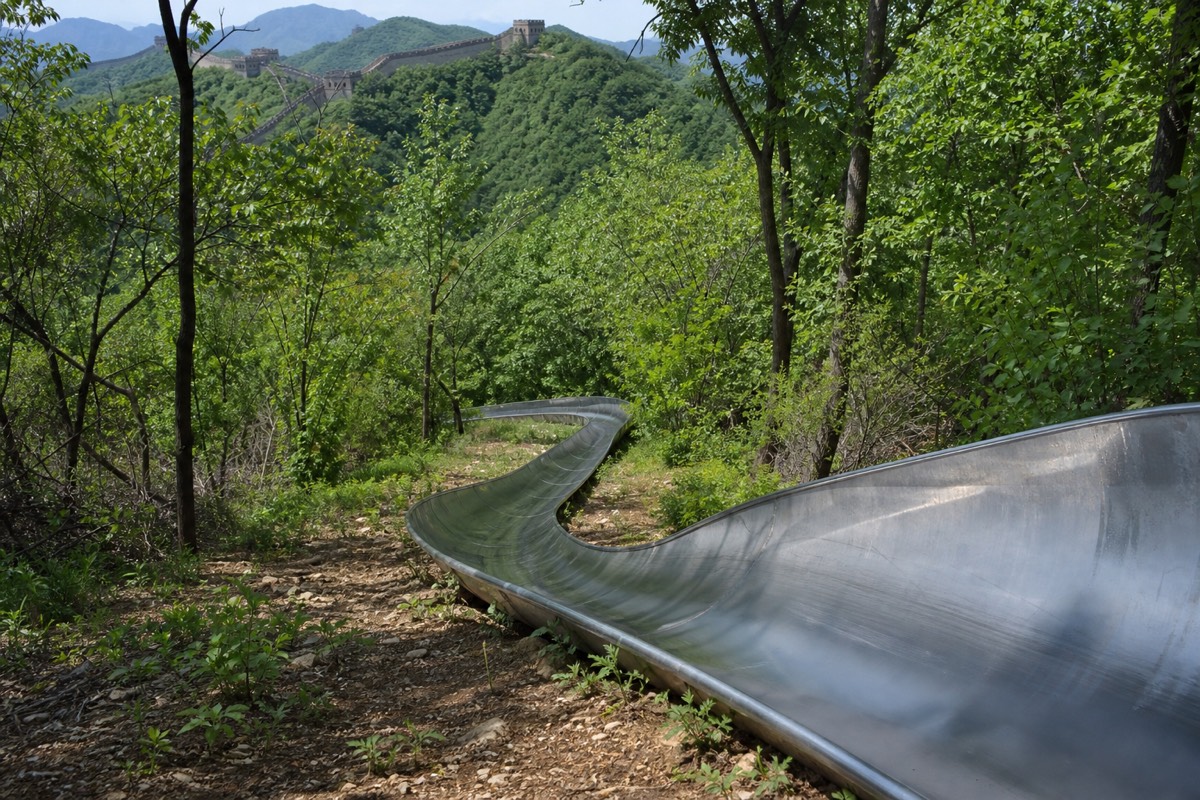
Mutianyu, roughly 70 km northeast of the city, is what most guides quietly recommend. It is fully restored and safe to walk, backed by dense forest that turns gold in late October and green in late spring. Two things set it apart. A cable car carries you up to the wall near Tower 14, which spares tired legs and makes it workable for families and older travellers. And there is a toboggan, a small metal luge, that runs back down the mountainside, which children remember long after the trip. Crowds exist but rarely overwhelm the way Badaling's do, because Mutianyu is a little farther and has no train. Entrance is around ¥45, plus the cable car and the ¥100 toboggan if you want it.
Jinshanling: The Hiker'S Wall
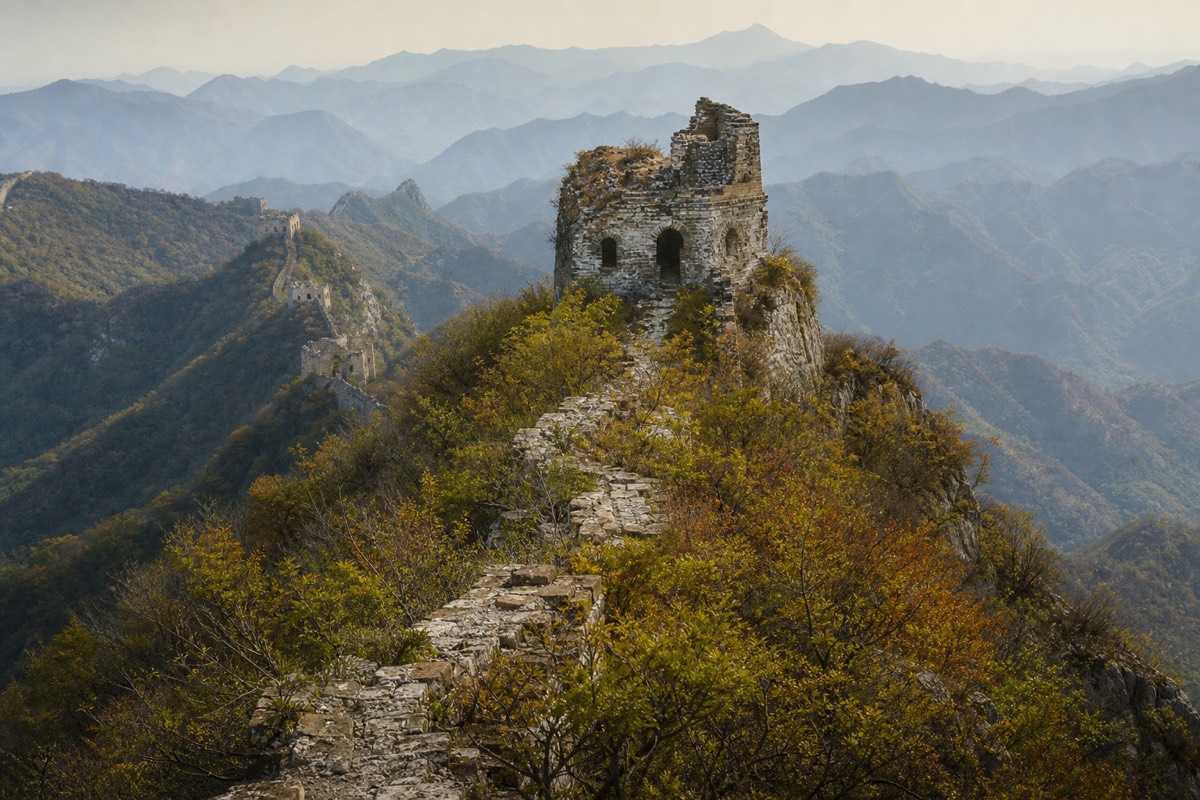
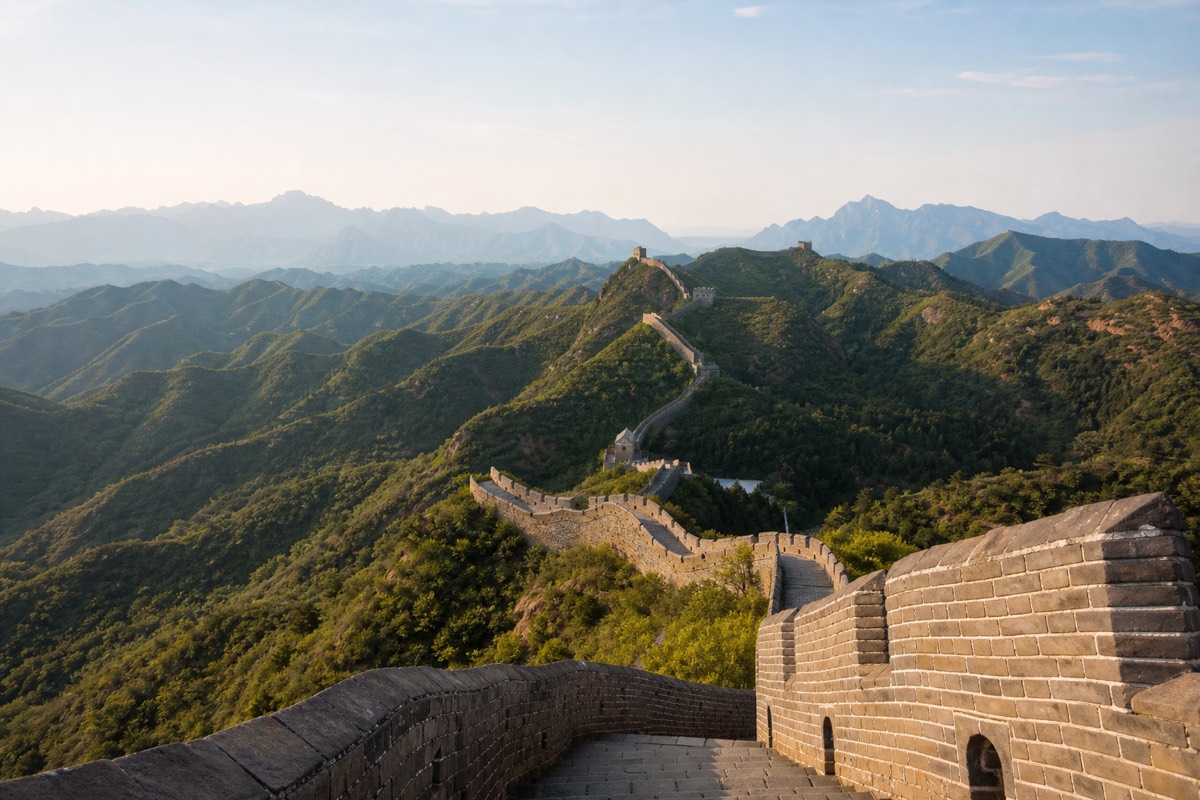
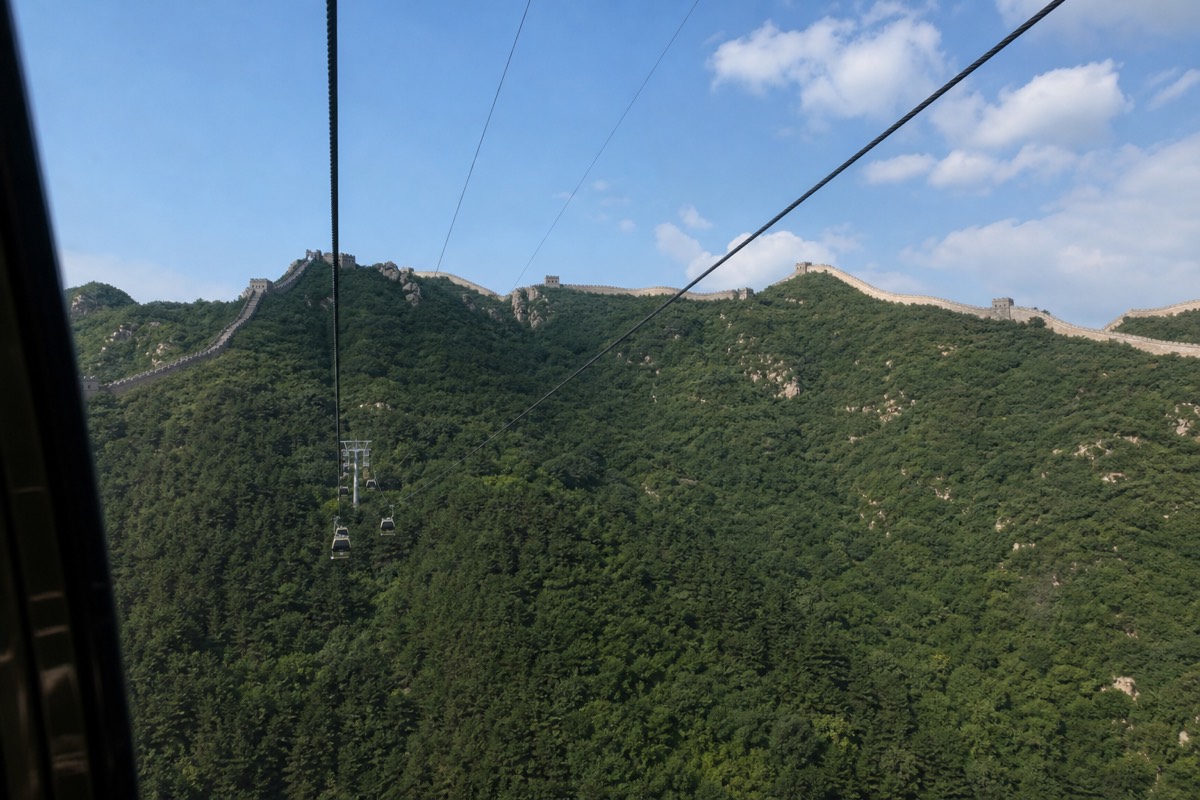
Jinshanling is farther out, about 130 km from Beijing, and that distance is the point. Part of it is restored and part is left wild, so you get dramatic, uneven watchtowers marching over ridgelines with almost no one else in frame. This is the section photographers travel for. A cable car exists if you want to skip the first climb, running roughly ¥40 to ¥80 one way, but the reward here is the walk itself, tower to tower, with the wall stretching to the horizon, and the classic hike continues toward Simatai. Entrance is around ¥65. It suits people who are steady on their feet and want the Wall to feel like an expedition rather than a viewpoint.
Simatai And Gubei Water Town: The Night Wall
Simatai is the only section that opens after dark. It is steep and spectacular, and it connects to Gubei Water Town, a restored canal town at the foot of the mountains where the evening usually ends with dinner and the illuminated wall above. If you have already seen the Wall by day, or you simply want something different, the Simatai night visit is the one that stays with people. Access is time-slotted and tickets are limited, so this is a book-ahead experience rather than a turn-up-and-walk one. Gubei Water Town entrance is around ¥150, with the wall access arranged on top.
Jiankou And Huanghuacheng: For The Adventurous
Two sections are worth knowing about even though neither suits a standard first visit. Jiankou is the unrestored, crumbling wall you see on postcards, all jagged towers and collapsing steps. It has no tickets and no facilities, it is genuinely dangerous, and it should only be attempted with an experienced guide. Huanghuacheng is the "Water Great Wall," where the ramparts run down into a reservoir and partly disappear beneath it. It is quieter and greener, known for its chestnut valley, and good for a second trip when you want somewhere the coaches do not go.
Which Section Is The Least Crowded, And Which Is A Scrum?
Badaling is the most crowded by a wide margin, with a daily cap of 65,000 that it regularly hits on holidays; Jinshanling is the quietest of the walkable sections, with Jiankou and Huanghuacheng quieter still. Mutianyu sits in between, busy but manageable. Crowds, more than scenery, are what separate a memorable visit from a frustrating one, so they deserve real attention.
The pattern is simple: proximity and fame drive crowds. Badaling is closest, most famous and has a train, so it concentrates the day-trippers. Mutianyu is far enough and train-free to thin them out. Jinshanling is farther still and largely unmanicured, so even on a decent day you can walk long stretches alone. Timing matters as much as the section: the first two hours after opening are quiet everywhere because the city coaches arrive mid-morning, and the calendar has three genuine pinch points to avoid.
| Section | Typical crowd level | Worst at | How to beat it |
|---|---|---|---|
| Badaling | Very high (65,000 cap) | Golden Week, summer weekends | Arrive at opening, or pick another section |
| Mutianyu | Moderate | Summer weekends, holidays | Early start, cable car up |
| Jinshanling | Low | Rarely crowded | Just go early for the light |
| Simatai | Low, capped by time slot | n/a (timed entry) | Book the night slot ahead |
| Jiankou | Very low | n/a | Guided only, for other reasons |
| Huanghuacheng | Low | Autumn weekends | Weekday visit |
The three dates to keep off any section if you can: Golden Week (roughly 1 to 7 October), Chinese New Year (late January or February), and summer weekends. If your trip lands on one, the fix is to choose Jinshanling and start at opening.
Mutianyu Vs Badaling: The Head-To-Head
Choose Mutianyu for a calmer, more scenic first visit with a toboggan and easy cable-car access; choose Badaling only if you want the single most famous stretch or you need the fastest train access and accept the crowds. This is the comparison the largest number of visitors are really deciding, so it is worth laying out in full.
Both are fully restored, both have a cable car, both are safe and well-equipped, and both are a comfortable day trip. Where they part ways is atmosphere. Badaling is grander and busier, the wall itself broad and imposing, but on a busy day the crowd is the experience. Mutianyu is a touch smaller in scale but wrapped in forest, quieter, and it has the toboggan, which is why families gravitate to it. On access, Badaling wins narrowly thanks to the bullet train; on the quality of the day out, most independent guides give it to Mutianyu.
| Mutianyu | Badaling | |
|---|---|---|
| Distance from Beijing | ~70 km | ~80 km |
| Fastest access | Road (bus 916 + change, or tour) | Bullet train, ~20-26 min |
| Crowds | Moderate | Very high (65,000 cap) |
| Restoration | Full, forested setting | Full, broad ramparts |
| Cable car | Yes | Yes |
| Toboggan down | Yes (~¥100) | Sliding car (different) |
| Entrance | ~¥45 | ~¥40 |
| Best for | Families, first-timers, scenery | The iconic view, fast access |
Which Section Is Best For Families And Older Visitors?
Mutianyu, without much competition. Its cable car removes the hardest climb, the toboggan down is a genuine thrill for children, and the restored, railed ramparts are safe underfoot, which together make it comfortable for young kids and older relatives alike. No other section combines ease of access, safety and a bit of fun the way Mutianyu does.
The mechanics matter here. On most sections the single hardest part is the long climb from the base up to the wall, and at Mutianyu the cable car turns that into a few effortless minutes to near Tower 14, dropping you onto a walkable stretch. From there you go as far as feels comfortable and turn back, and instead of retracing the steps you ride the toboggan down. Plenty of visitors in their sixties, seventies and beyond enjoy Mutianyu this way, and children treat the toboggan as the highlight of the trip. Badaling is a workable second choice with its own cable car, but the crowds make it harder work with a pushchair or a slower walker. Keep young children well away from Jiankou entirely.
Which Section Is Best For Hiking And Photography?
Jinshanling is the answer for both. Its mix of restored and wild wall gives the sweeping, tower-studded shot photographers travel for, and the classic 10 km Jinshanling-to-Simatai hike is the finest continuous walk near Beijing. Jiankou is more dramatic still but genuinely dangerous and guided-only.
Photographers want three things the restored sections struggle to provide: texture, emptiness, and a long line of wall. Jinshanling has all three, because part of it is left weathered and it sits far enough out to stay quiet, so you can compose the ridge-after-ridge shot without a crowd in the frame. Early morning and the last hour of light transform it. For the walk, the Jinshanling toward Simatai route is roughly 10 km and 4 to 5 hours over restored and broken wall, a proper hillwalk rather than a stroll. Serious photographers with the right support push on to Jiankou for the collapsing-tower drama, but that is an expert, guided outing, not a casual choice.
How Much Does Each Section Cost To Visit?
Entrance is cheap everywhere, roughly ¥40 to ¥65, so cost rarely decides the section. Cable cars, the Mutianyu toboggan and, above all, transport from Beijing shape the real bill. Prices below are current published figures and drift by season, so confirm the live number when you book.
| Section | Entrance (adult) | Cable car | Toboggan |
|---|---|---|---|
| Mutianyu | ~¥45 | Extra | ~¥100 |
| Badaling | ~¥40 | ~¥180 round trip (peak, incl. entrance) | Sliding car (different) |
| Jinshanling | ~¥65 | ~¥40 to ¥80 one way | None |
| Simatai | ~¥40 | Extra | None |
| Gubei Water Town | ~¥150 | n/a | n/a |
Because the entrance is a small number and the Wall is 70 km or more out, the transport almost always costs more than getting in. That is why the practical cost comparison between sections is really a comparison of how you travel: the bullet train to Badaling is a few dollars, while a guided day tour to any section bundles the long round trip, tickets and often the cable car into one price.
How Do You Get To Each Section From Beijing?
Badaling is the only section with easy public transport (the bullet train and the 877 bus); Mutianyu needs a slower bus-plus-change or a tour; and Jinshanling, Simatai, Jiankou and Huanghuacheng are realistically tour or private-car destinations for a day trip. Access is a genuine deciding factor, not an afterthought.
| Section | Public transport | Practical for a day trip? |
|---|---|---|
| Badaling | Bullet train (~20-26 min) or bus 877 (~¥12) | Yes, easily |
| Mutianyu | Bus 916 to Huairou, then change | Doable but slow; tour is easier |
| Jinshanling | None practical | Tour or private car |
| Simatai / Gubei | None practical | Tour or private car (timed night slot) |
| Jiankou | None | Guided only |
| Huanghuacheng | Limited | Tour or private car |
Whichever section you choose, budget a full day: a Beijing round trip runs about 7 to 9 hours door to door for Mutianyu once you count travel, the cable car and time on the wall, and a little less for Badaling by train. The single biggest lever on a good visit is starting early, which is exactly what a guided tour is built around.
Side By Side: All Six Sections
| Section | Distance | Crowds | Best for | Cable car / toboggan |
|---|---|---|---|---|
| Mutianyu | ~70 km | Moderate | All-rounder, families | Cable car + toboggan |
| Badaling | ~80 km | Very high | The famous view, easy access | Cable car |
| Jinshanling | ~130 km | Low | Hiking, photography | Cable car (one-way) |
| Simatai | ~120 km | Low, timed | Night visits, Gubei town | Cable car |
| Jiankou | ~70 km | Very low | Wild, guided only | None |
| Huanghuacheng | ~70 km | Low | Lakeside, quiet | None |
Pick Your Section By Traveller Type
Match the section to who you are and how you travel, not to which is objectively "best." Here is the shortcut most visitors need.
- First-time visitor, want it easy and rewarding: Mutianyu, cable car up, toboggan down.
- Family with children or older relatives: Mutianyu, for the cable car, toboggan and safe footing.
- Set on the single most famous stretch, travelling independently: Badaling, by bullet train, arriving at opening.
- Keen walker or photographer: Jinshanling, ideally the hike toward Simatai.
- Already seen the Wall, want something different: the Simatai night wall with Gubei Water Town.
- Serious photographer with a guide: Jiankou for the wild, collapsing wall.
- Second visit, want somewhere calm and unusual: Huanghuacheng, the lakeside wall.
Common Mistakes When Choosing A Section
Most disappointing Great Wall visits trace back to a handful of avoidable choices: going to Badaling on a holiday, underestimating the travel time, or picking a wild section that is beyond the group. Knowing them in advance is half the battle.
The classic errors: choosing Badaling by default because it is the famous name, then hitting the 65,000-visitor crush on Golden Week. Trying to squeeze the Wall into a half-day and spending most of it in traffic. Assuming every section is a gentle walkway and taking young children or unsteady walkers onto steep, unrailed wall. And picking Jinshanling for its beauty without the fitness for a 10 km hillwalk. Each has a simple fix: check the calendar, give the Wall a full day, match the section to your group's ability, and be honest about how far you want to walk.
So Which Should You Pick?
If this is your first time and you want the safe, rewarding choice, go to Mutianyu. If you must see the single most famous stretch and you accept the crowds, Badaling, ideally by the fast train and early. If you are fit, you love walking, and you want the Wall almost to yourself, Jinshanling. If you want something memorable after a day of temples, the Simatai night wall with Gubei Water Town. And if you are coming back for a second look, Huanghuacheng or a guided Jiankou hike. Whichever section you choose, our guided Great Wall of China Beijing tours handle the long drive, the tickets and the timing, and get you there before the coaches, so the only decision left is where to point the camera.