Great Wall Of China Facts: Length, Age And How Much Survives
The Great Wall attracts big numbers and bigger myths. Here are the facts that hold up, the ones that do not, and the context that makes the real story more impressive than the legends.
In Brief: The Wall is a network built over centuries. Pair Badaling with the Ming Tombs for a day exploring its imperial context.
Explore Badaling And Ming Tombs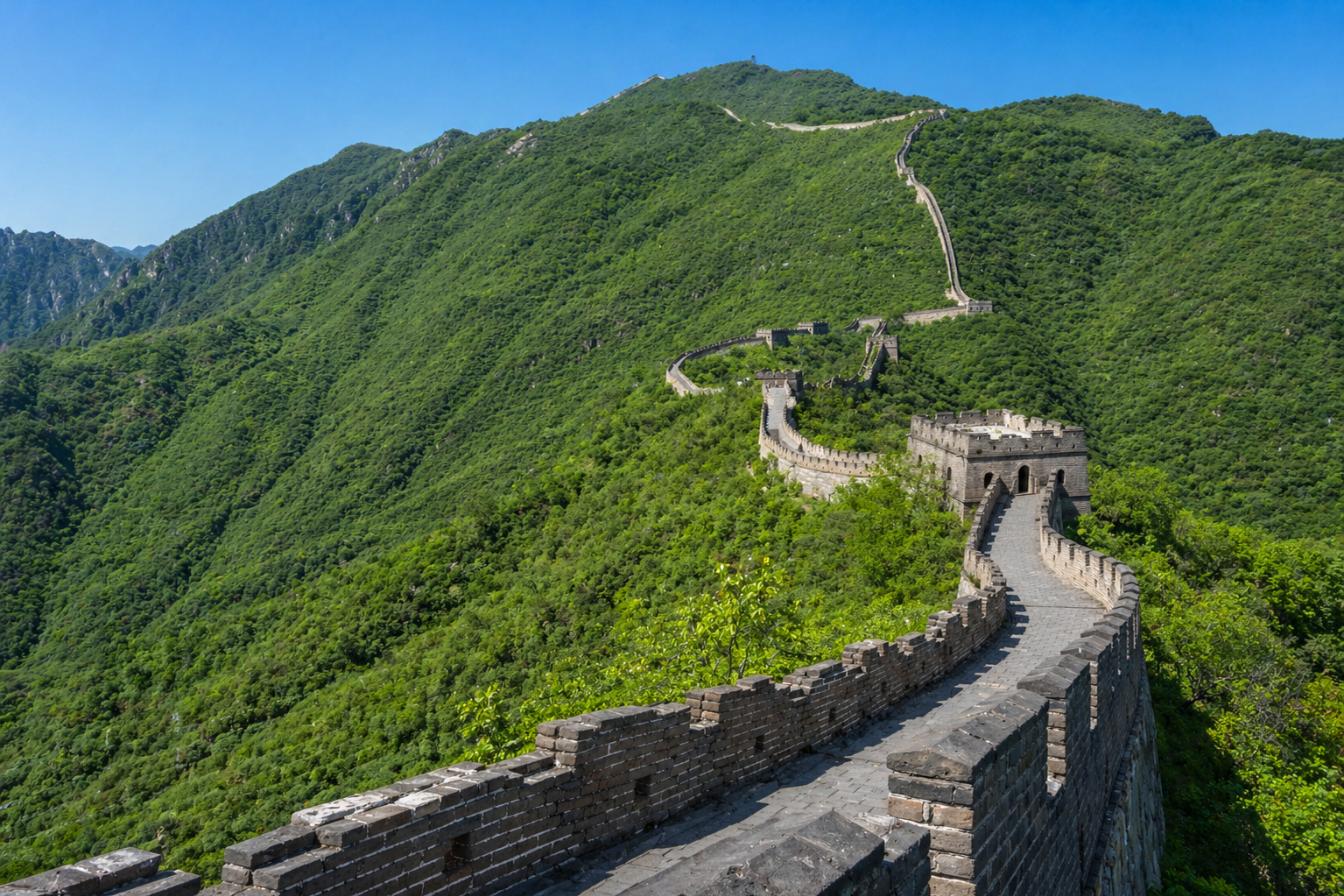
Most "amazing facts" lists about the Great Wall mix a few solid figures with a few that were never true. This is the short, honest version, useful whether you are planning a visit or settling an argument.
How Long Is The Great Wall Of China?
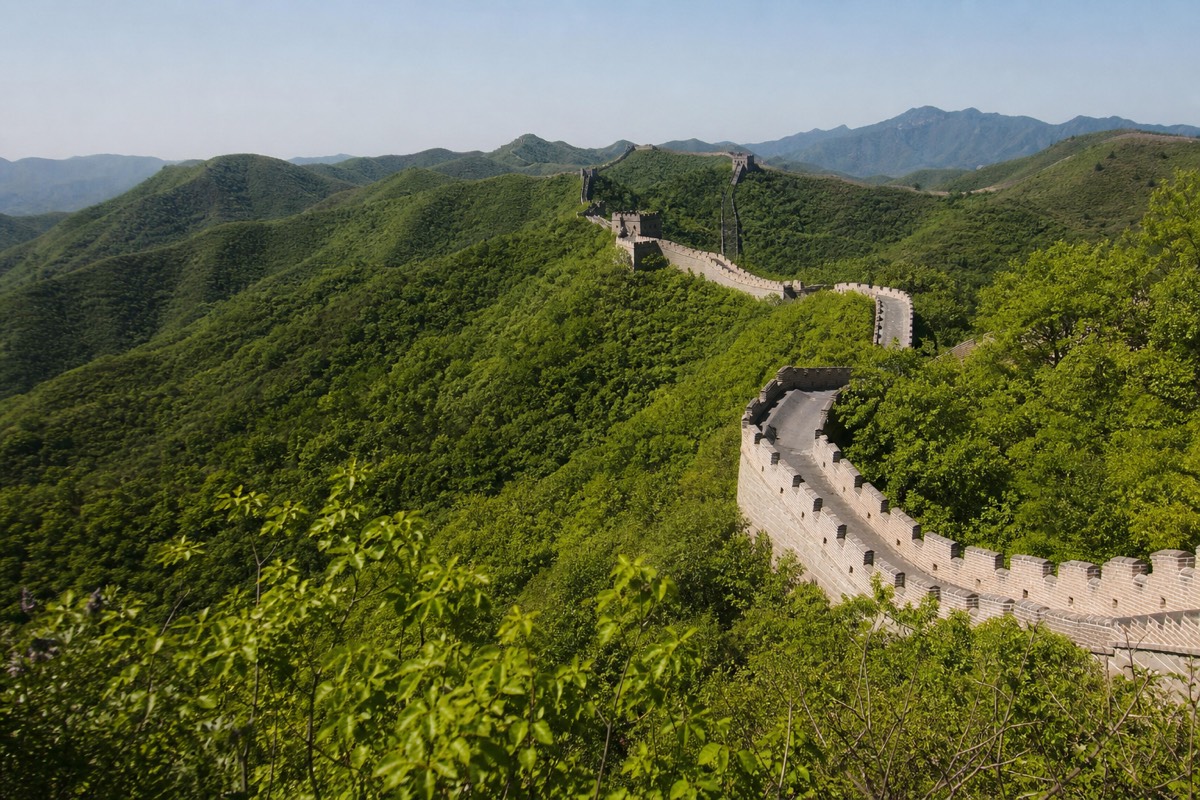
The most cited modern figure comes from a Chinese government survey completed in 2012, which put the total length of all Great Wall structures across every dynasty at about 21,196 km. That number counts walls, trenches and natural barriers built over more than two thousand years, many of them now ruined or vanished. The Ming-dynasty wall, the well-built stone-and-brick version most visitors picture and walk on, runs roughly 8,850 km. So both "over 21,000 km" and "about 8,850 km" are correct; they simply measure different things.
How Old Is It?
There is no single build date. Early walls were thrown up by rival states well over two thousand years ago and later linked under the first Qin emperor around 220 BC. What you actually visit near Beijing, though, is almost all Ming dynasty, built and rebuilt between the 14th and 17th centuries to hold the northern frontier. When someone stands on Mutianyu or Badaling, they are standing on roughly 500-year-old wall, not 2,000-year-old wall.
Is It A UNESCO World Heritage Site?
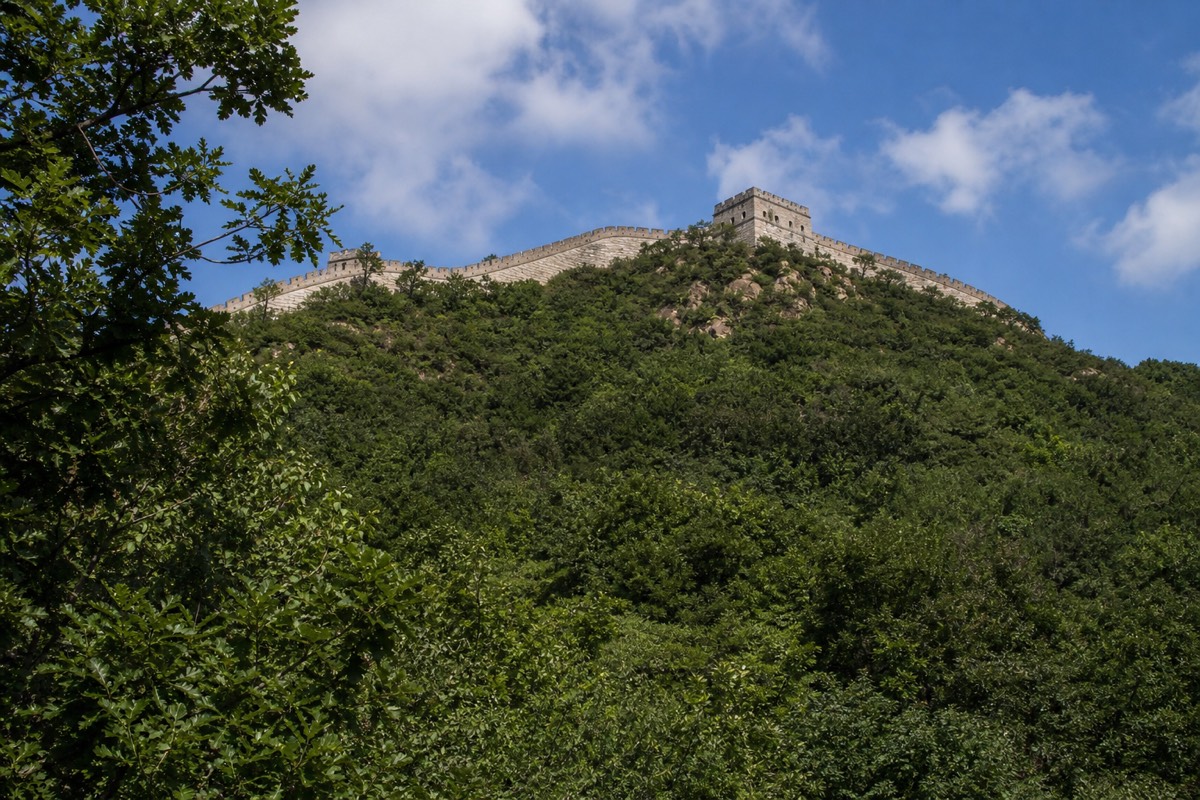
Yes. The Great Wall was inscribed as a UNESCO World Heritage Site in 1987, recognised both for its scale and for what it represents in Chinese history.
How Much Of It Still Stands?
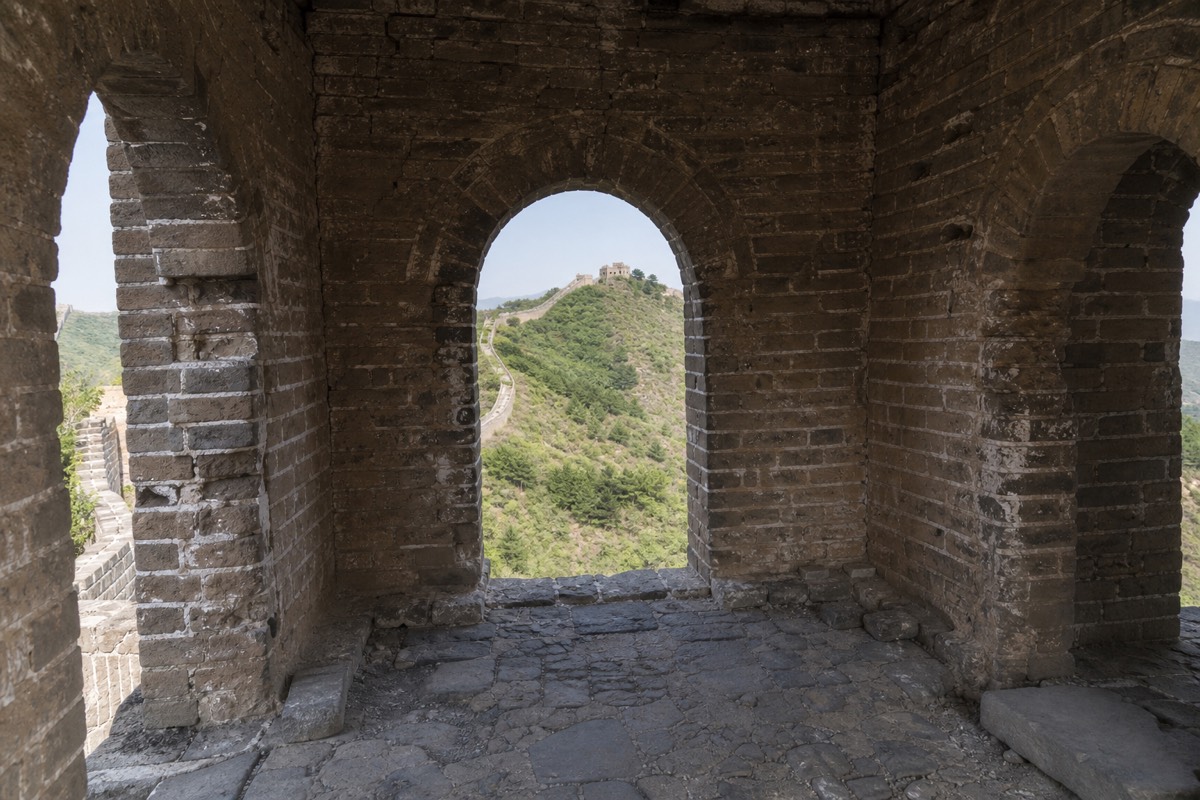
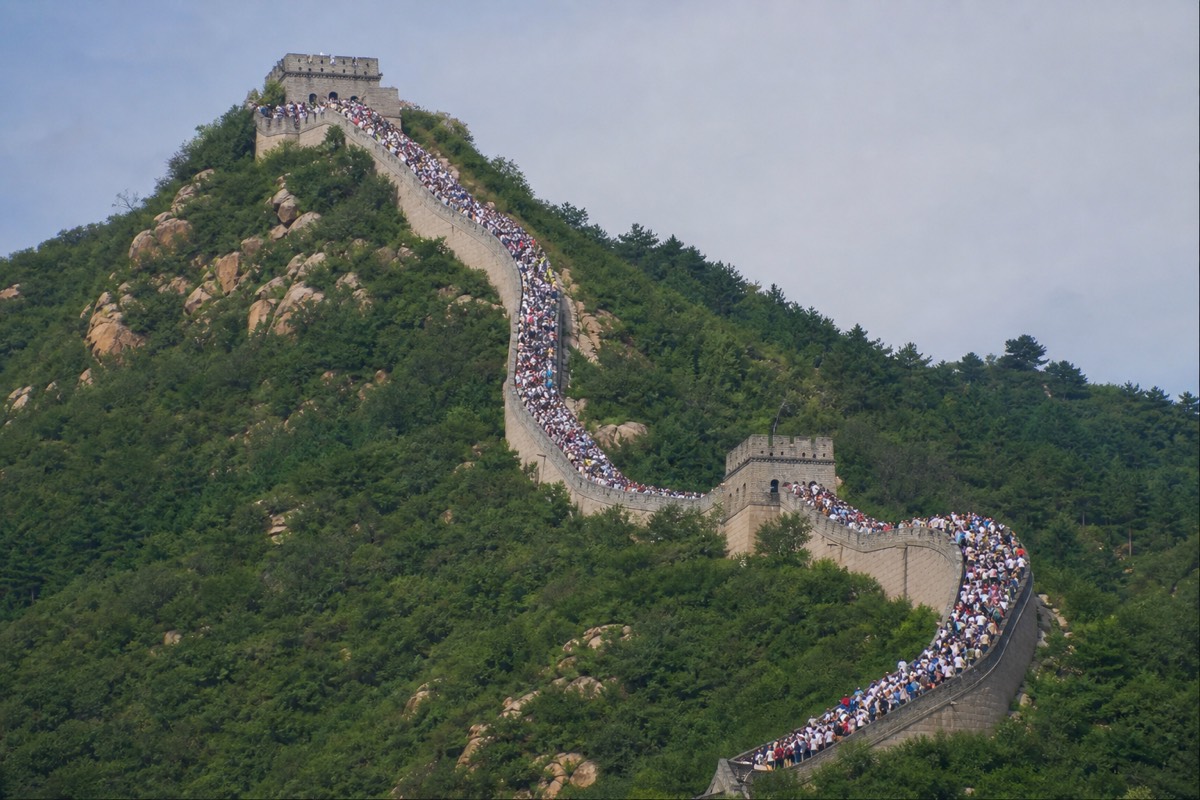
Less than the total length suggests. Large stretches, especially the older, rammed-earth walls in remote regions, have eroded badly or disappeared entirely. Studies over the past two decades have warned that a significant portion of the Ming wall is in poor condition or already gone. The restored sections near Beijing are the exception rather than the rule, which is part of why they draw such crowds: they are the parts you can actually walk.
Can You See It From Space?
No. The claim that the Great Wall is the only human-made object visible from space with the naked eye is a myth, repeated for decades and debunked many times. It is long but narrow, and from orbit it blends into the terrain. Astronauts have confirmed you cannot pick it out unaided. And yes, despite a persistent online rumour, the Wall is perfectly visible on Google Maps.
Are There Bodies Buried In The Wall?
This is the myth people ask about most. Ancient texts and folklore refer to workers who died during construction, and historical estimates of the death toll over the centuries run into the hundreds of thousands. But there is no archaeological evidence that bodies were built into the wall itself; no human remains have been found within its structure. The workers who died were buried, but not inside the ramparts. It is a grim legend, not a documented fact. We cover this in full in our dedicated piece on the question.
A Few Figures Worth Keeping
| Fact | The real answer |
|---|---|
| Total length (all dynasties) | ~21,196 km (2012 survey) |
| Ming-dynasty wall | ~8,850 km |
| UNESCO listing | 1987 |
| What you visit near Beijing | Mostly Ming, 14th to 17th century |
| Visible from space? | No |
| Bodies in the wall? | No archaeological evidence |
The Wall is impressive enough without the tall tales. The most reliable way to grasp its scale is still to stand on it, look along a ridgeline, and watch it disappear over the next hill and the one after that.