Running The Great Wall Marathon: What To Know
There are hard marathons, and then there is a marathon run partly on the Great Wall itself, up and down thousands of ancient steps. It is regularly called one of the world's toughest road races, and for the right runner it is a bucket-list experience wrapped around a trip to Beijing.
In Brief: Race registration and sightseeing are separate. The tours here are optional visits around your race trip, with no race entry or course access.
Explore Mutianyu With A Private Guide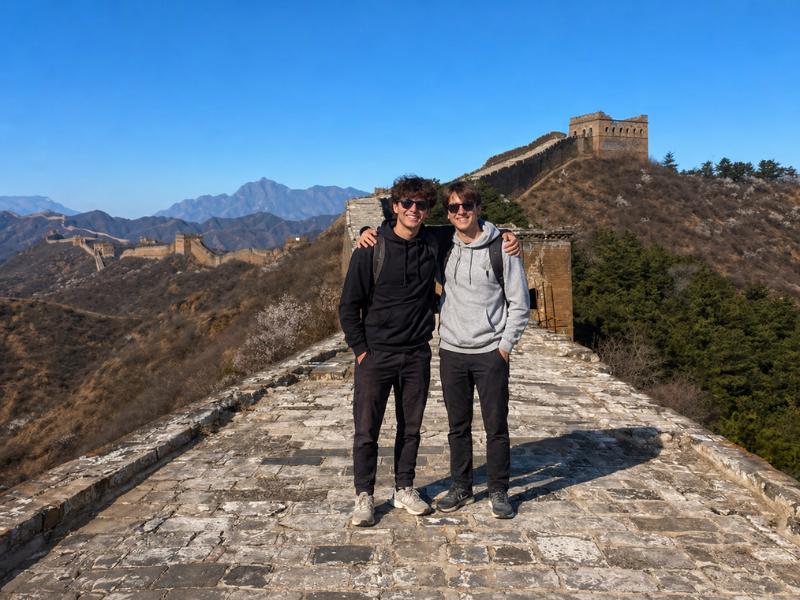
The Great Wall Marathon is an organised annual event held on a section of the Wall and the surrounding countryside north of Beijing. This guide is an overview for anyone weighing it up, not an official race manual, so always confirm current dates, entry and the exact course with the event organiser before committing.
What Makes It So Hard
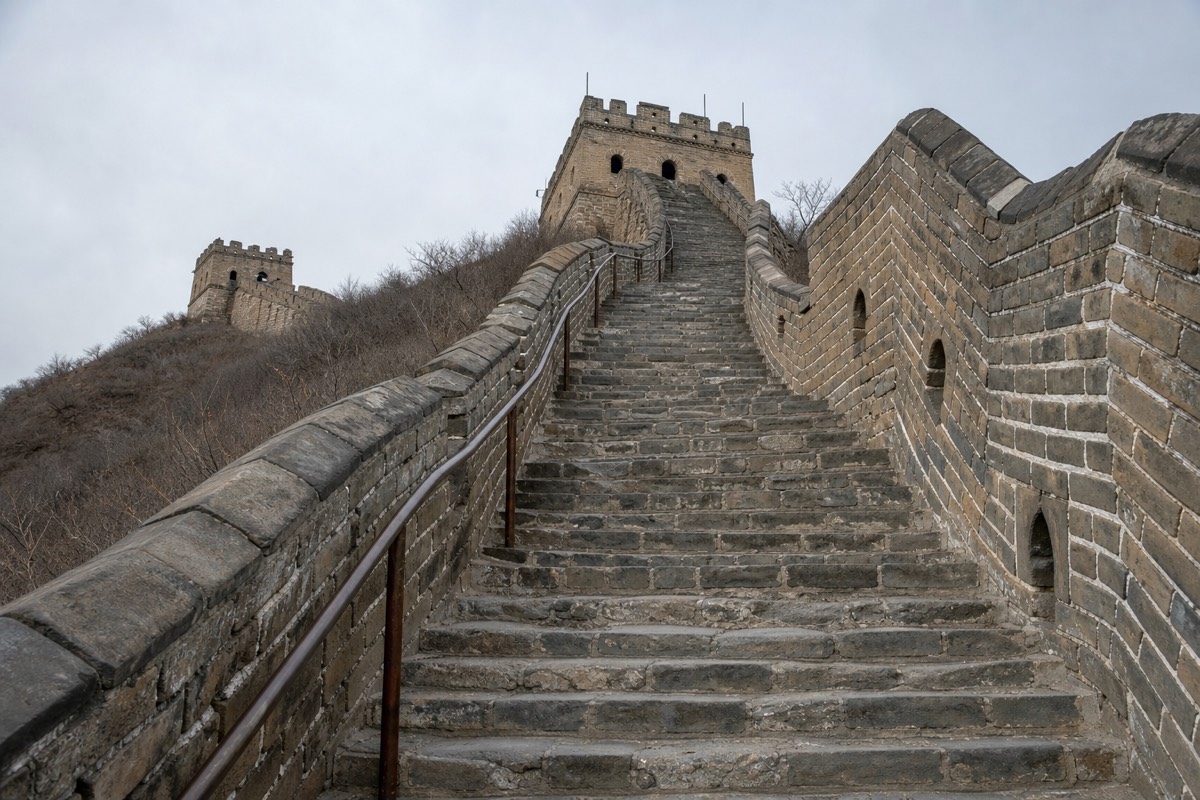
The signature challenge is the Wall section itself: a long stretch of steep, uneven, ancient steps that runners climb and descend, often thousands of steps in total across the route. On top of that come road and village sections, significant elevation change, and the possibility of heat. Finish times are far slower than a flat road marathon, and even strong runners walk the step sections. It is as much a mountain and stair challenge as a run.
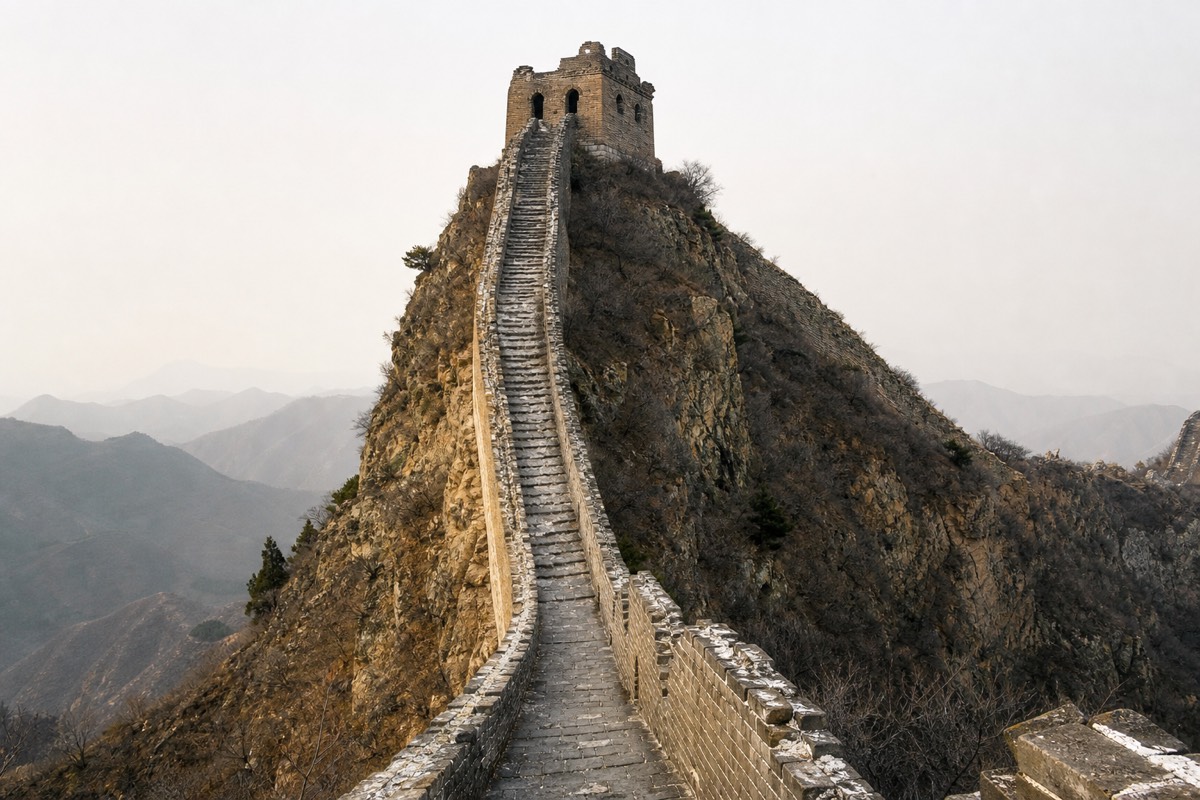
Reality check: this is not a first marathon. The steps punish quads and knees, especially on the descents, and the course is relentless. Runners typically train specifically for stairs and hills, and many choose the half marathon or shorter distances the event offers rather than the full.
The listed sightseeing tours do not include race entry, a course inspection or medical fitness assessment.
The Distances
Events of this kind usually offer more than one distance, from shorter fun runs up to the full marathon, so you can match the challenge to your fitness. If you want the experience of running on the Wall without committing to the brutal full distance and its full quota of steps, a shorter option delivers the scenery and the story with less risk to your knees. Check the current distance options with the organiser.
No verified affiliate race-entry package was found in the provider research. Choose your distance through the event's actual entry process.
Training For The Steps
The specific demand is stairs, so specific training helps most: stair repeats, hill sessions, and plenty of downhill work to prepare the quads for the descents, which is where most damage is done. Strong legs and good technique on uneven steps matter more than raw marathon speed. Build the step and hill work into your plan well ahead of the event.
A sightseeing hike is not a training programme. Match preparation to your event and your own ability; none of these tours provides coaching.
Building A Trip Around It
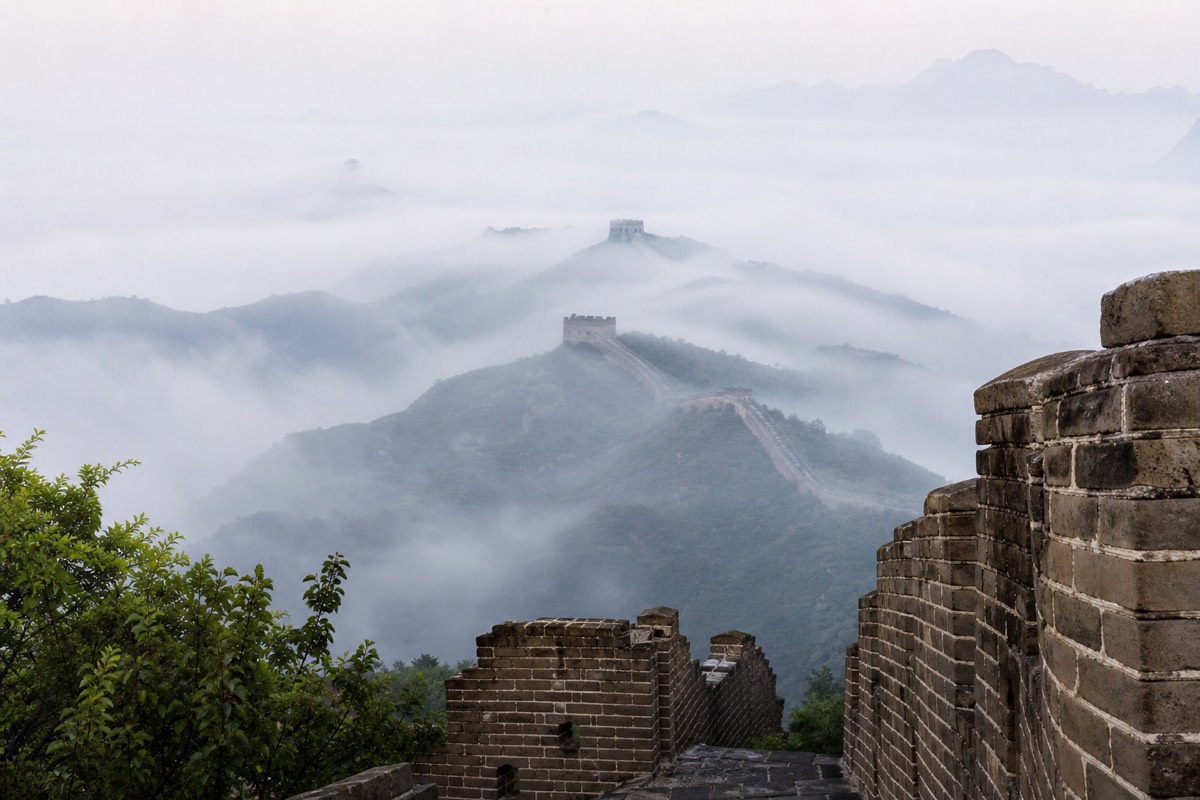
Most international runners turn the race into a Beijing trip. Arrive a few days early to adjust to the time zone and see the city, and use the days around the event to visit the Great Wall as a walker rather than a racer, at a manageable section like Mutianyu. Seeing the Wall calmly, with the cable car and time to take it in, is a very different and complementary experience to running it, and it makes the long flight worthwhile beyond the single race day.
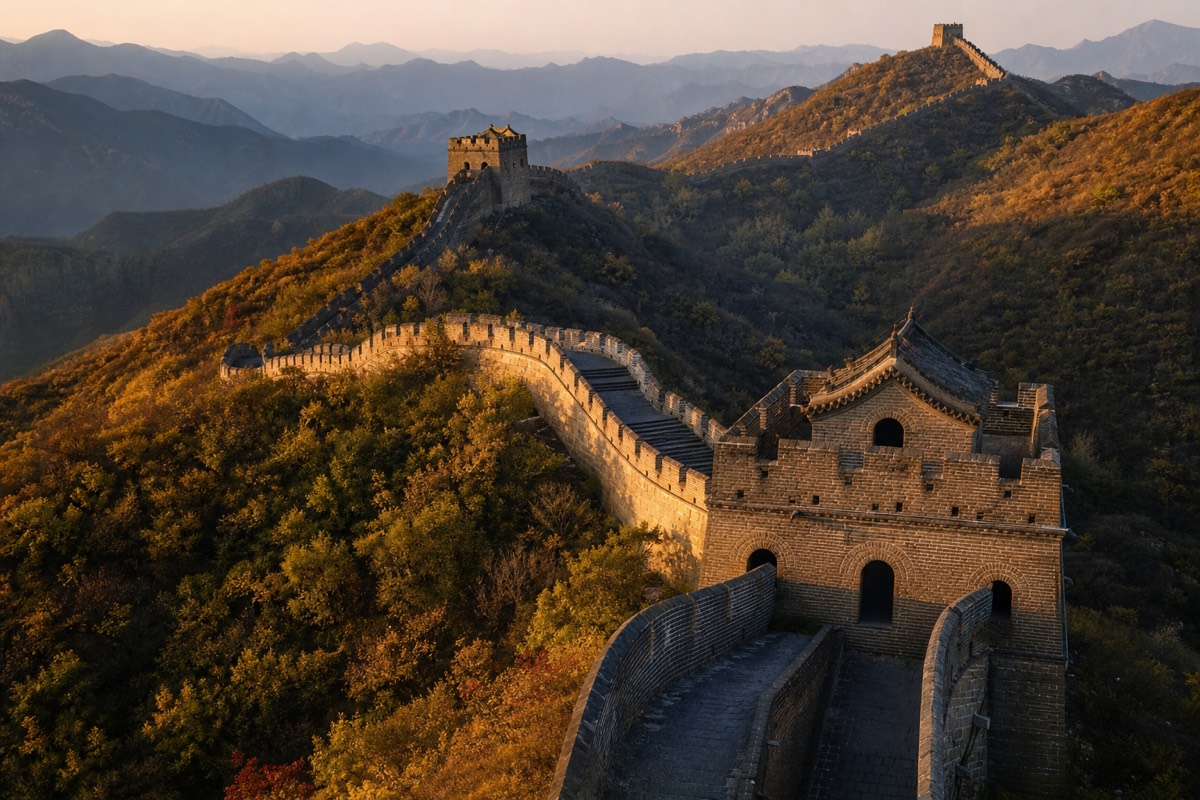
Where Is The Great Wall Marathon Held?
It is run on a section of restored Great Wall and the surrounding countryside north of Beijing, not on the famous tourist sections most visitors walk. The exact venue and course are set by the organiser and worth confirming before you plan flights.
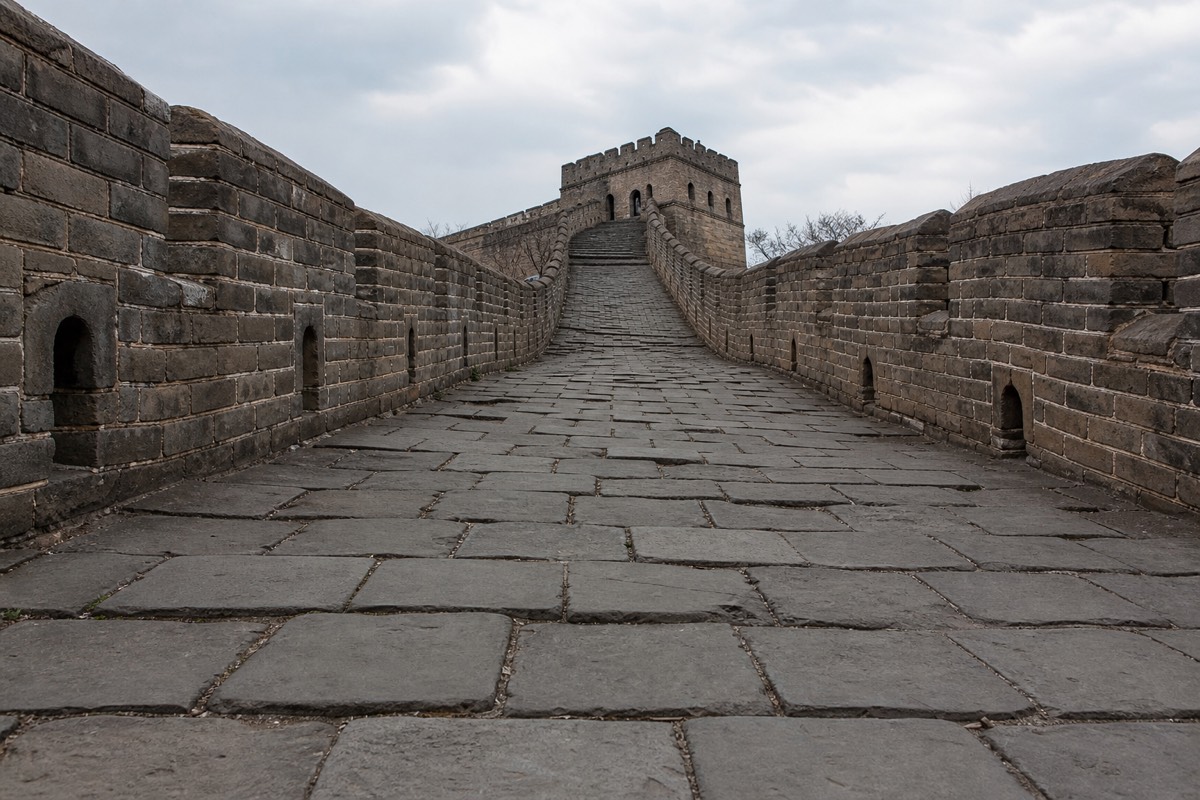
Because it is a Beijing-area event, runners can easily add a normal Great Wall visit to the trip; our guide to which Great Wall section to visit covers the walkable sections, and getting from Beijing to the Great Wall the transport.
The sightseeing products below visit Mutianyu or Jinshanling, not the marathon venue. They cannot supply race-day transport or course access.
Should You See The Wall As A Tourist Too?
Absolutely: most international runners arrive early and visit a manageable section like Mutianyu as a walker, using the cable car and taking their time. It is a very different, complementary experience to racing, and it makes the long flight worthwhile beyond one race day.
Seeing the Wall calmly, with time to take it in, is covered in our guide to whether it is worth visiting. Our guided Great Wall of China Beijing tours handle the logistics so your legs are fresh for, or recovered from, the race.
Before You Enter
- Confirm the current date, course and entry process with the official organiser.
- Be honest about the step and hill demand; train specifically for descents.
- Consider a shorter distance for a first attempt.
- Plan extra days in Beijing to recover and to see the Wall at a walking pace.
Confirm your race entry, venue and travel dates before buying a sightseeing add-on. A tour booking is not marathon registration.