Great Wall Stairs And Fitness: How Steep Is It Really?
The Great Wall photographs like a gentle walkway and walks like a mountain staircase. It was built along ridgelines, so it climbs and drops with the terrain, and some flights are steep, tall and uneven. Whether you can manage it comes down to which section you choose and how you use the cable car.
In Brief: A cable car reduces the approach climb, not every stair. Discuss individual walking needs before choosing a private Mutianyu outing.
Explore Mutianyu With A Private Guide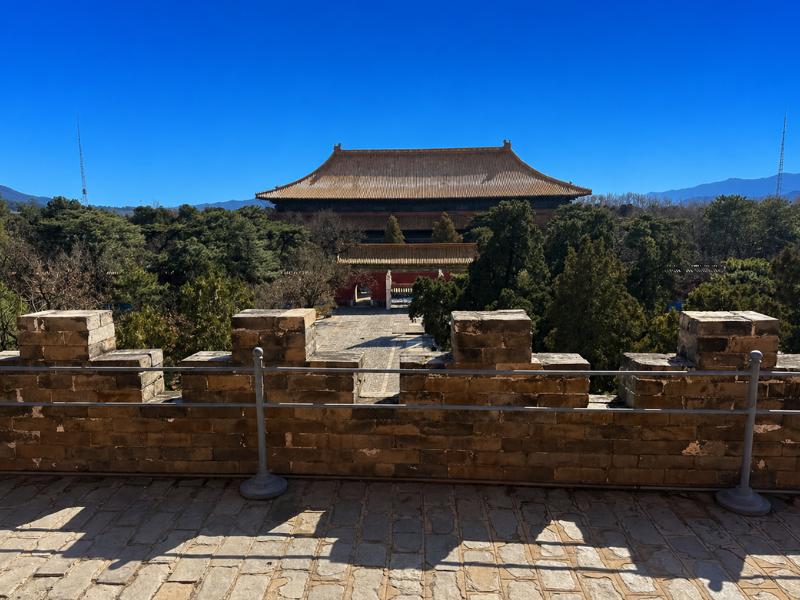
Walking and ride note: restored ramparts still have steep, uneven steps. Cable cars reduce the approach climb but do not establish step-free access or suitability for every traveller. Confirm rider restrictions and current operations before booking.
This is the question people are too polite to ask a tour desk: is it going to wreck my knees, and can my parents or my kids do it? Here is the frank answer, section by section.
Why It Is Steeper Than It Looks
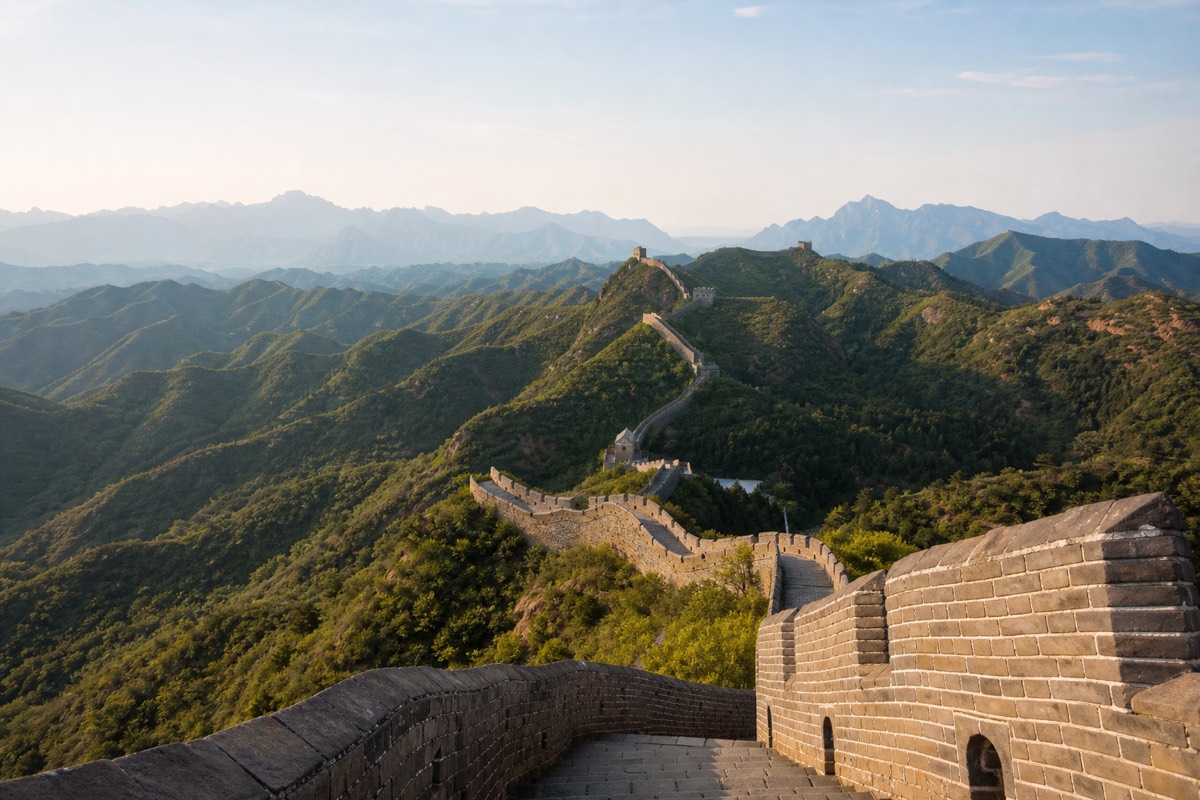
The Wall follows the tops of mountains, so it is almost never flat for long. The steps were built for defence, not comfort: they vary from shallow ledges to risers approaching knee height, they are often uneven and worn smooth, and railings are inconsistent. In the steepest stretches you will find yourself using your hands. None of this makes it impossible, but it does mean sensible expectations and good shoes.
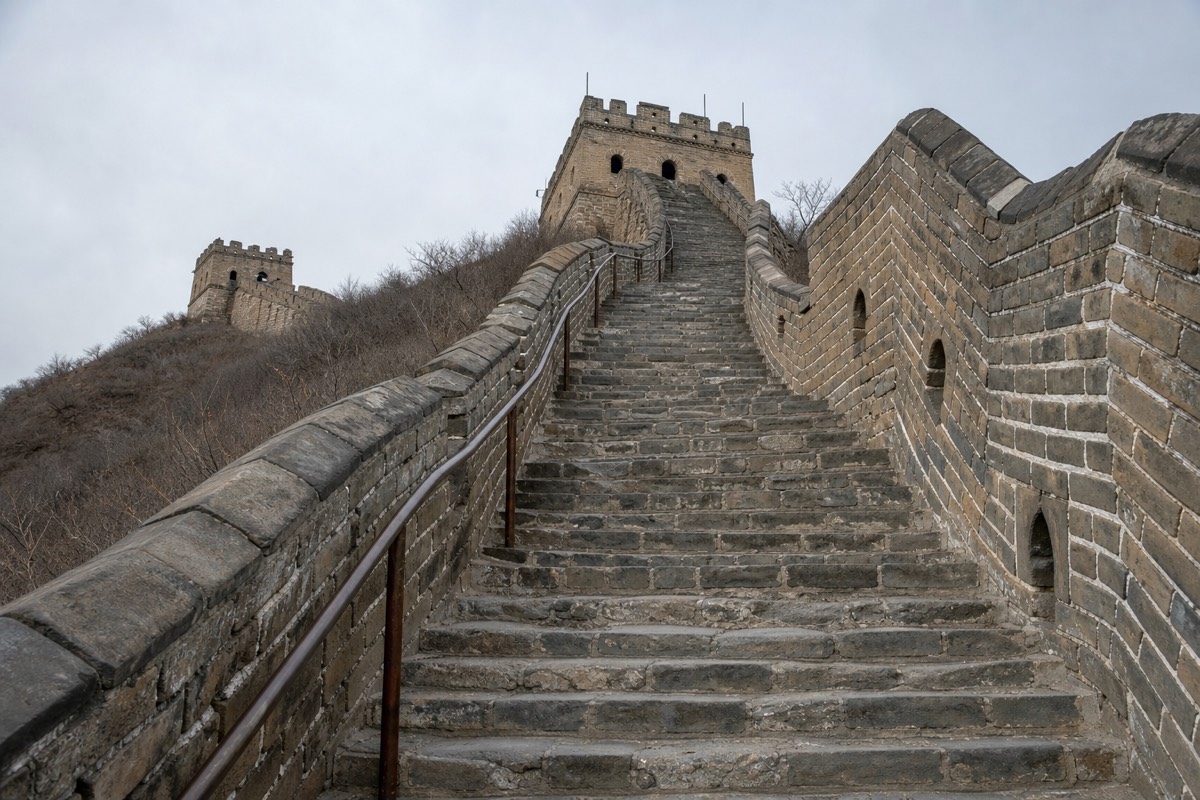
Section By Section
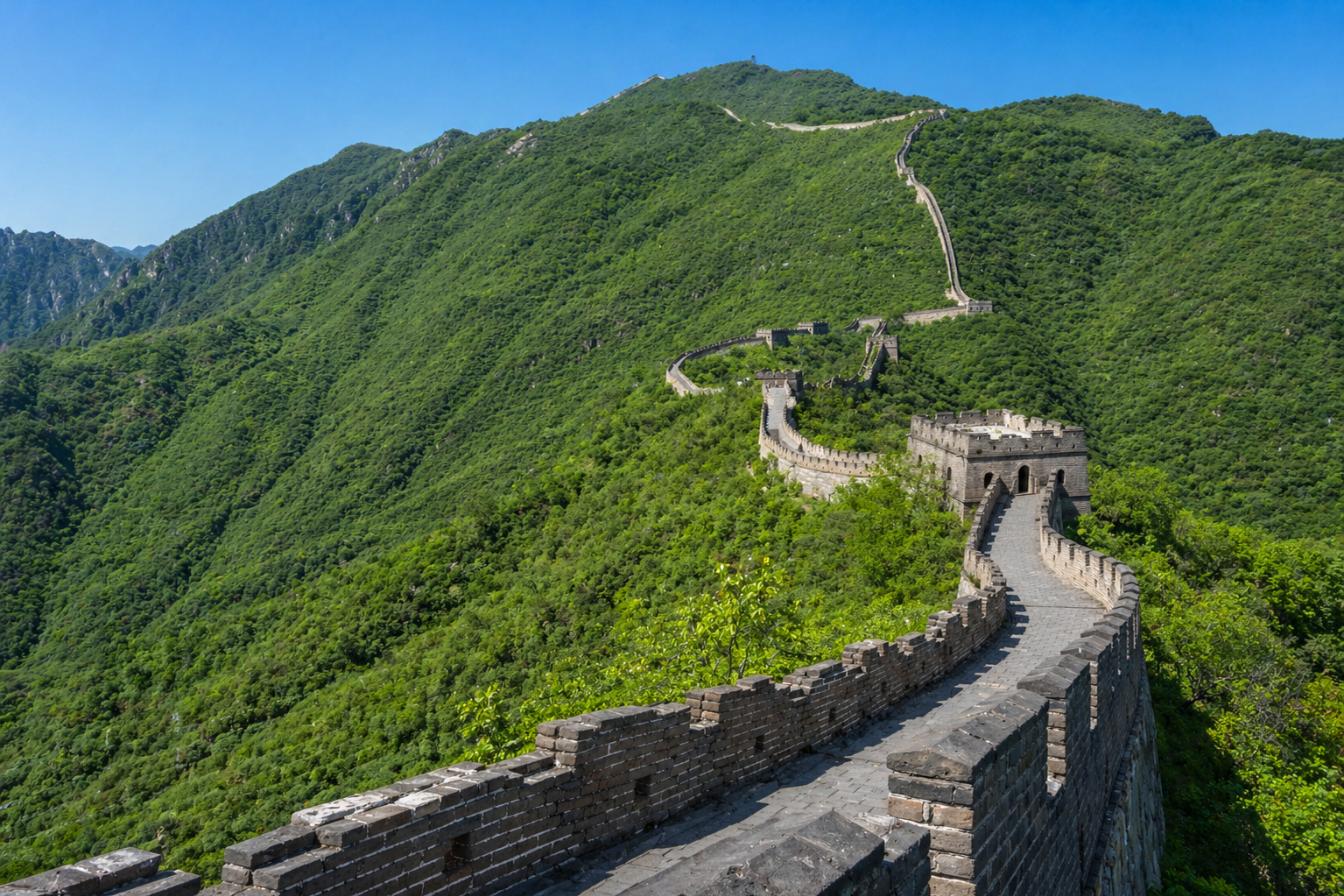
Mutianyu is the most forgiving. With the cable car up, you start on the wall and walk a rolling ridge with a mix of level runs and moderate flights. It is the section to choose if fitness or knees are a concern.
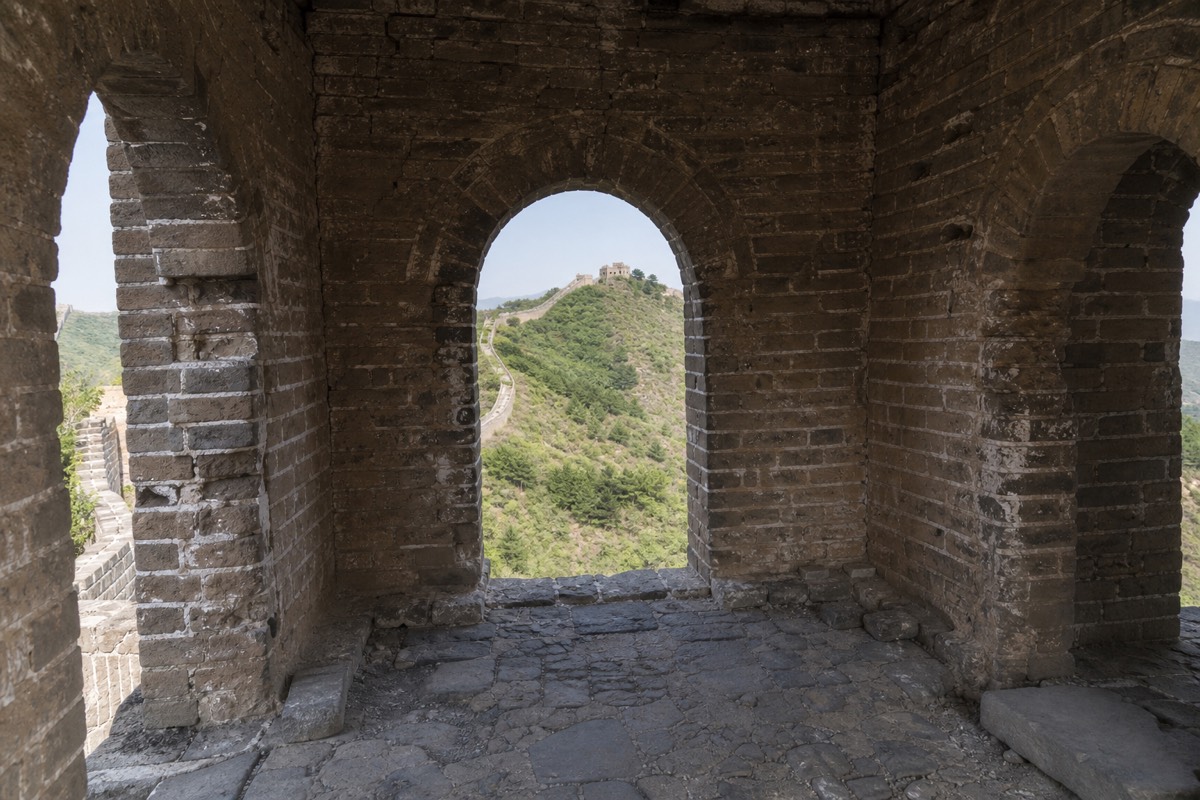
Badaling is broadly restored with even surfaces and a cable car, but it has some steep pitches and the crowds add their own effort. Manageable for most, busy at the worst times.
Jinshanling is the demanding one: real climbs, broken steps and long distances. It is a hillwalk and needs genuine fitness and sure footing.
Can Older Travellers Manage It?
Yes, at Mutianyu, and this is exactly what the cable car is for. Riding up removes the hardest climb and drops you onto a walkable stretch; you then go as far as feels comfortable and turn back. Plenty of visitors in their sixties, seventies and beyond enjoy Mutianyu this way. The key is choosing the accessible section, using the cable car, and not treating it as a race.
Can Children Manage It?
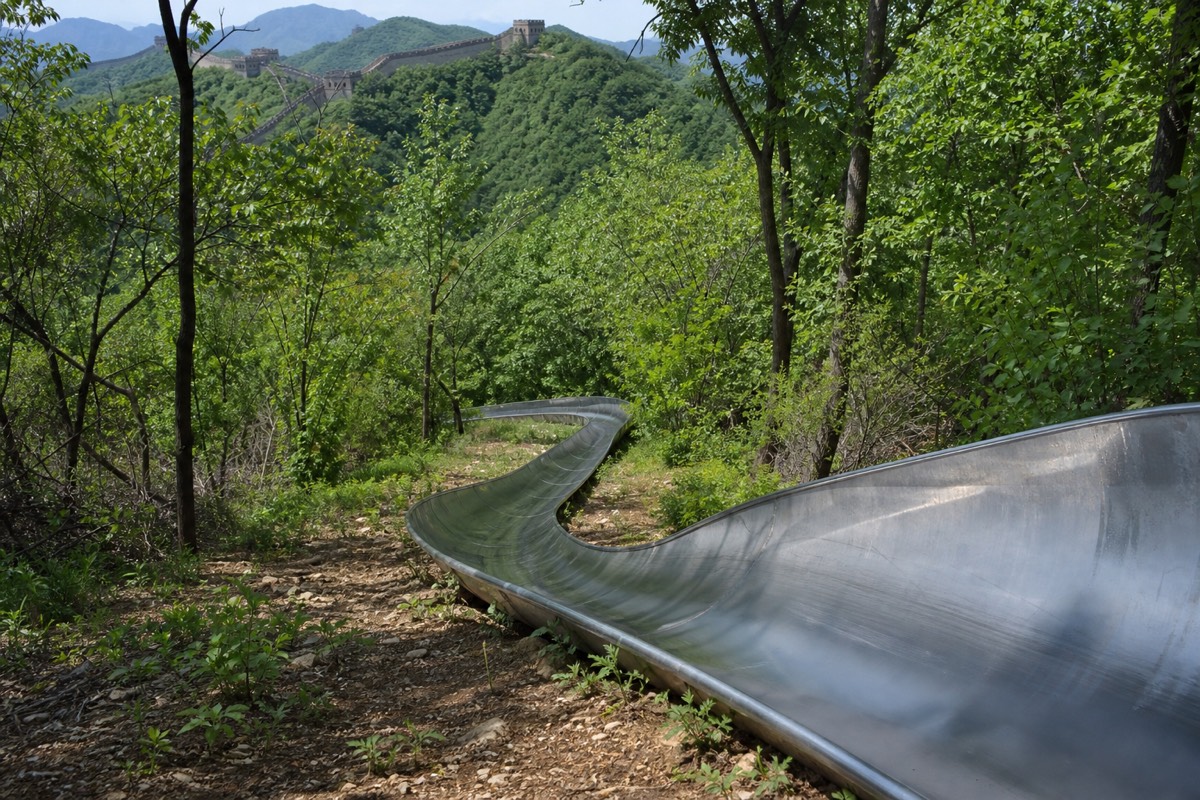
Most children handle Mutianyu happily, and the toboggan down is a highlight rather than a hardship. Keep a close hold on the steepest steps and near the parapets, take breaks, and let the cable car do the climbing. Avoid the wild sections entirely with young children.
How The Cable Car Changes Everything
At Mutianyu and Badaling, the cable car is the great equaliser. It converts the single hardest part of a Great Wall visit, the long climb from the base, into a few effortless minutes, which is what makes these sections realistic for families, older travellers and anyone short on energy. If stairs are a worry, choose a section with a cable car and use it in both directions if you like.
Which Section Is Easiest On The Legs?
Mutianyu with the cable car, by a distance: it removes the hardest climb and drops you onto a gently rolling stretch you can walk at your own pace. No other section combines easy access, safe footing and a way to skip the steepest part.
Badaling is a workable second choice with its own cable car, though the crowds add effort. Avoid Jinshanling and the wild sections if legs or knees are a concern; our guide to which Great Wall section to visit ranks them, and the Mutianyu cable car and toboggan are the reason it tops the accessibility list.
Can You Visit The Great Wall With Limited Mobility?
Partly: the cable car at Mutianyu gets you onto the wall without the climb, and you can enjoy a stretch of restored rampart, though the Wall itself has steps and uneven surfaces that are never fully step-free. Expectations matter, but the view is reachable for many who cannot manage a full hike.
Take the cable car both ways, go as far as feels safe on the flatter restored sections, and turn back without pressure. Starting early avoids the crowds that make uneven ground harder; our guided Great Wall of China Beijing tours arrive before the coaches and can advise on the gentlest route.
None of the reviewed tours establishes a fully step-free route or individual mobility suitability. A cable car does not remove steps on the ramparts; get route-specific confirmation before booking.
Practical Advice For Tired Legs
- Wear cushioned shoes with grip; the descents are harder on knees than the climbs.
- Take the cable car up and, if you prefer, down as well.
- Set a modest turn-around point and enjoy it rather than pushing to the last tower.
- Carry water and pace yourself; there is little shade on exposed ramparts.
- Go early, when it is cooler and quieter, so you are not climbing in heat or crowds.