Jiankou: The Wild, Unrestored Great Wall (And Why To Go Guided)
The most dramatic Great Wall photographs, the collapsing towers, the wall clinging to a knife-edge ridge, mostly come from one place: Jiankou. It is the wild, unrestored section serious photographers chase, and it is also the one you should never wander onto alone.
In Brief: This is a demanding guided hike, not a casual stroll. Prior experience, party restrictions and route conditions matter before booking.
Explore Jiankou To Mutianyu Guided Hike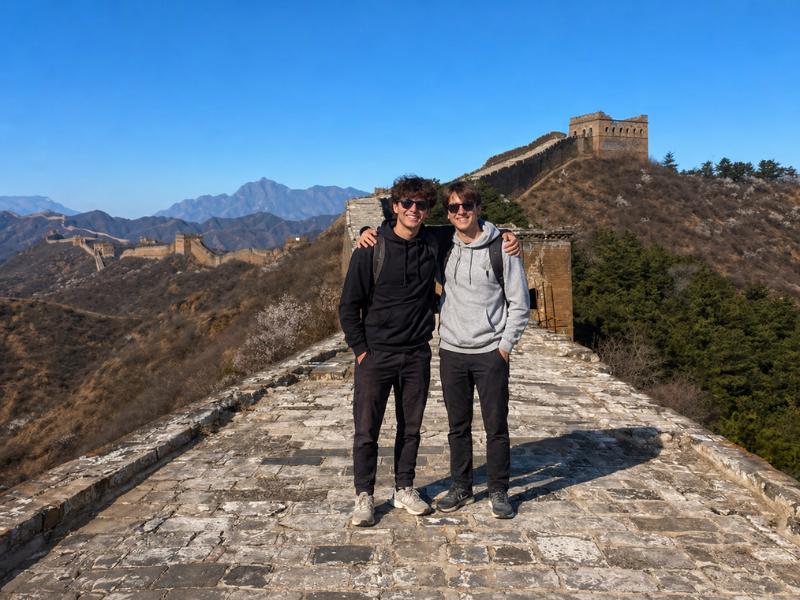
Route note: the tours below follow their current operator itineraries. A continuous Jinshanling-to-Simatai crossing is not promised. Weather or access restrictions can change a hiking route.
Jiankou lies roughly 70 km from Beijing, not far in distance from Mutianyu, but a world away in character. Where Mutianyu is rebuilt and railed, Jiankou is left exactly as centuries of weather have left it: steep, broken, and beautiful.
What Jiankou Is
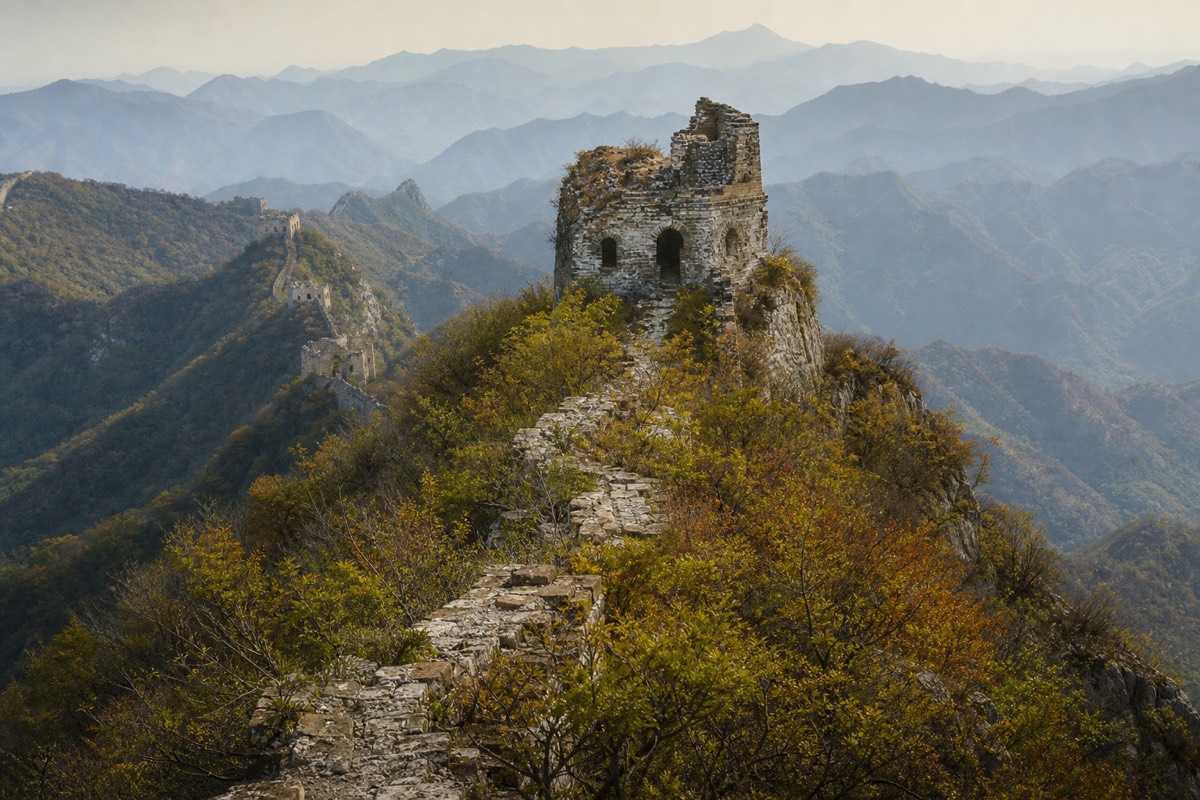
Jiankou is unrestored Ming-dynasty wall running along a series of sheer, jagged ridges. The towers are half-collapsed, the parapets are gone in places, and vegetation grows through the stone. It is the definitive "wild wall," and its silhouette, all sharp peaks and tumbledown towers, is what many people picture when they imagine the Great Wall at its most romantic. Photographers travel specifically for it, especially at sunrise and in autumn.
Why It Is Dangerous
Jiankou has no tickets, no facilities, no railings and no maintenance. The steps are broken, some sections drop away on both sides, and loose stone is everywhere. Accidents happen here, and it is not a place to explore on instinct. This is a section for people with hillwalking experience, proper footwear, and, above all, a guide who knows the safe lines and the sections to avoid.
Why To Go Guided
A guide is not an optional extra at Jiankou, it is the difference between an unforgettable morning and a genuine emergency. Local guides know which towers are stable, which traverses are safe, where the paths up from the villages start, and how to time the light. They also handle the practicalities that do not exist on-site: there is nowhere to buy water, no signage, and no easy way to call for help if something goes wrong. If you want the wild wall, go with someone who works it.
The Popular Jiankou To Mutianyu Route
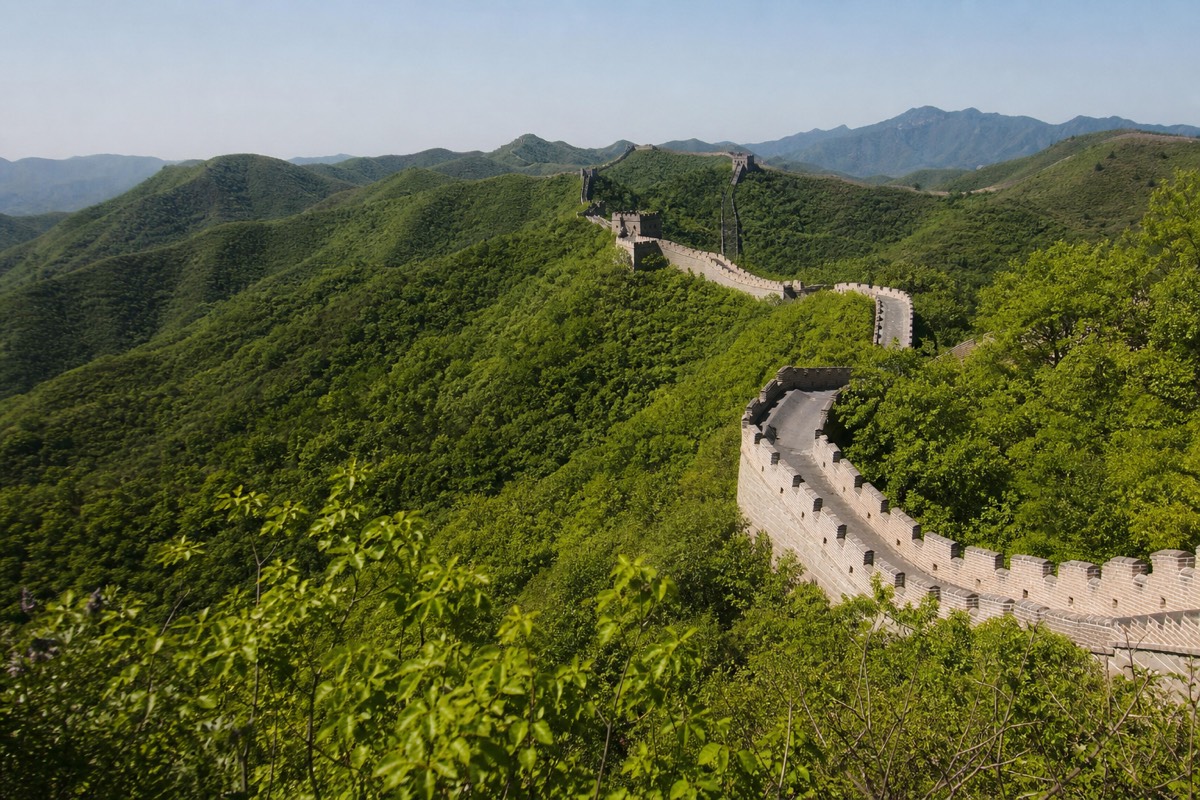
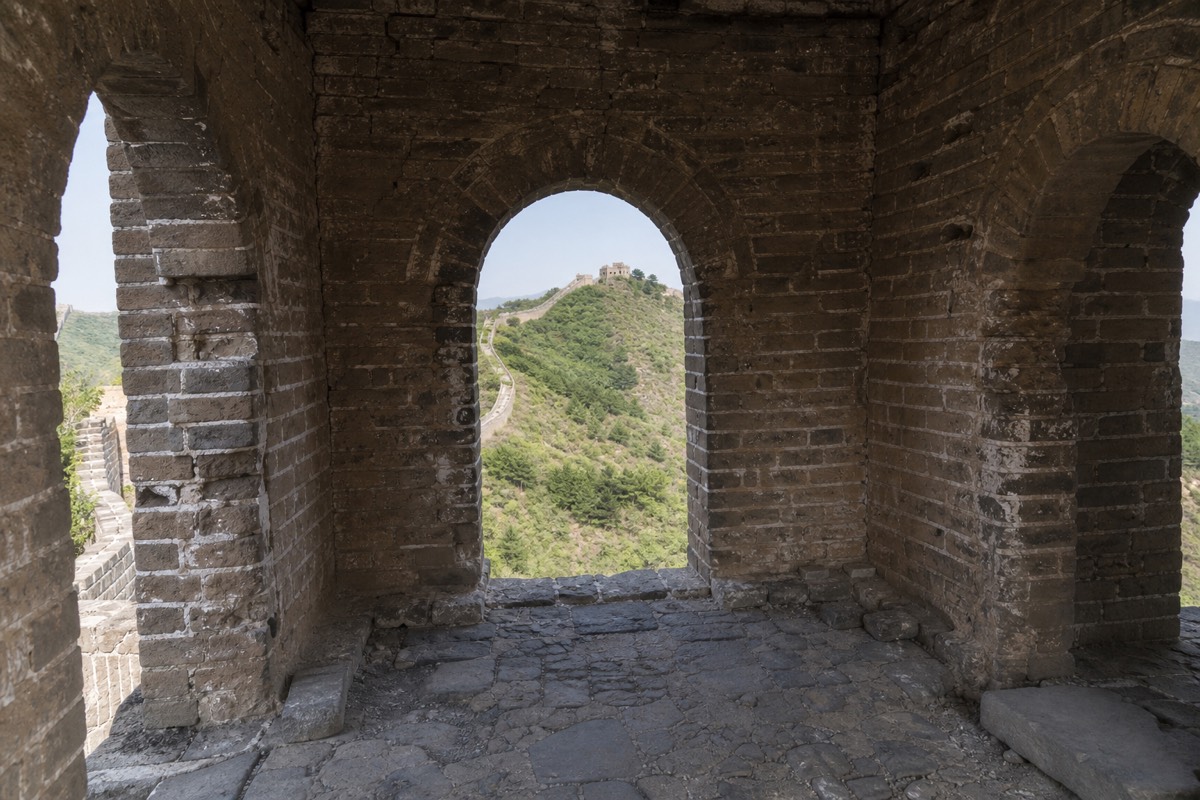
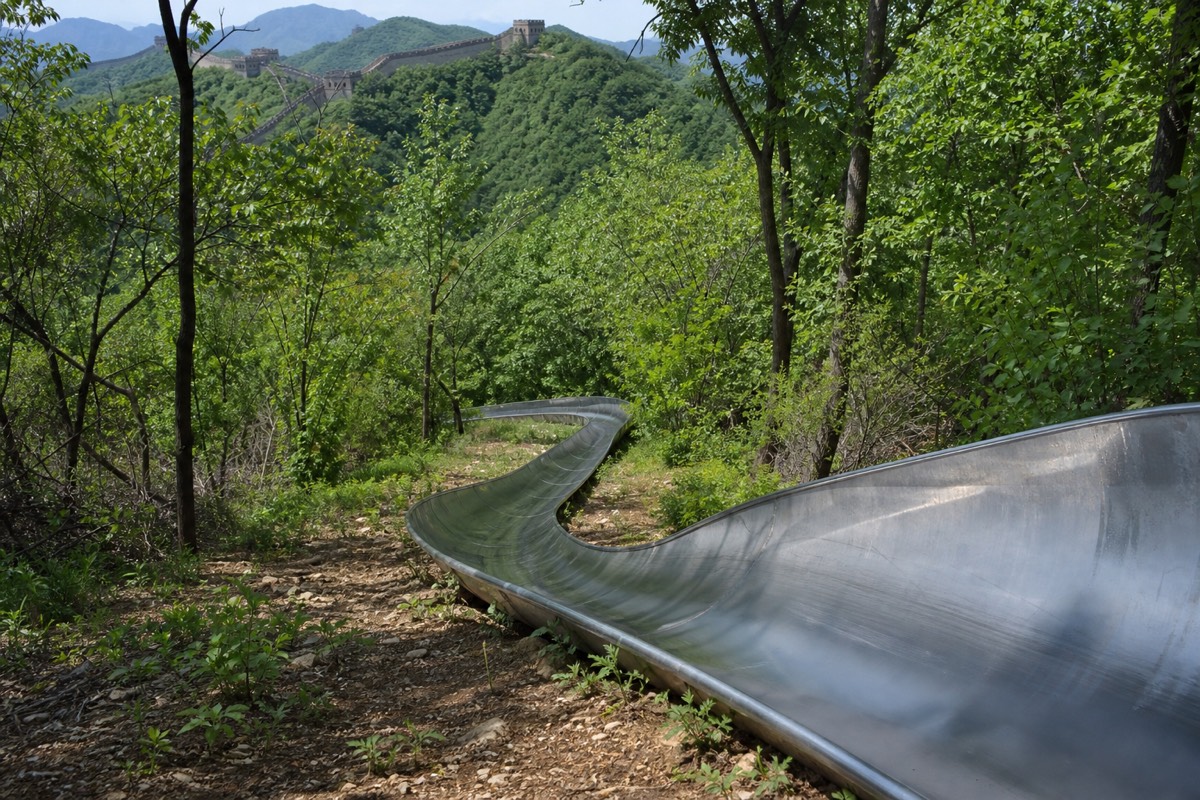
A classic way to experience Jiankou safely is to hike a section of it and then cross onto the restored Mutianyu wall, finishing where there are facilities, a cable car and the toboggan. This gives you the wild scenery and the dramatic photographs, then a comfortable, safe descent. It is a demanding hike and still needs a guide for the Jiankou part, but it is the sensible way to taste the wild wall without committing to a full unsupported traverse.
Is There A Safer Way To See The Wild Great Wall?
Yes: hike a section of Jiankou with an experienced guide and cross onto the restored Mutianyu wall, finishing with facilities, a cable car and the toboggan. You get the wild scenery and the dramatic photographs, then a comfortable, safe descent.
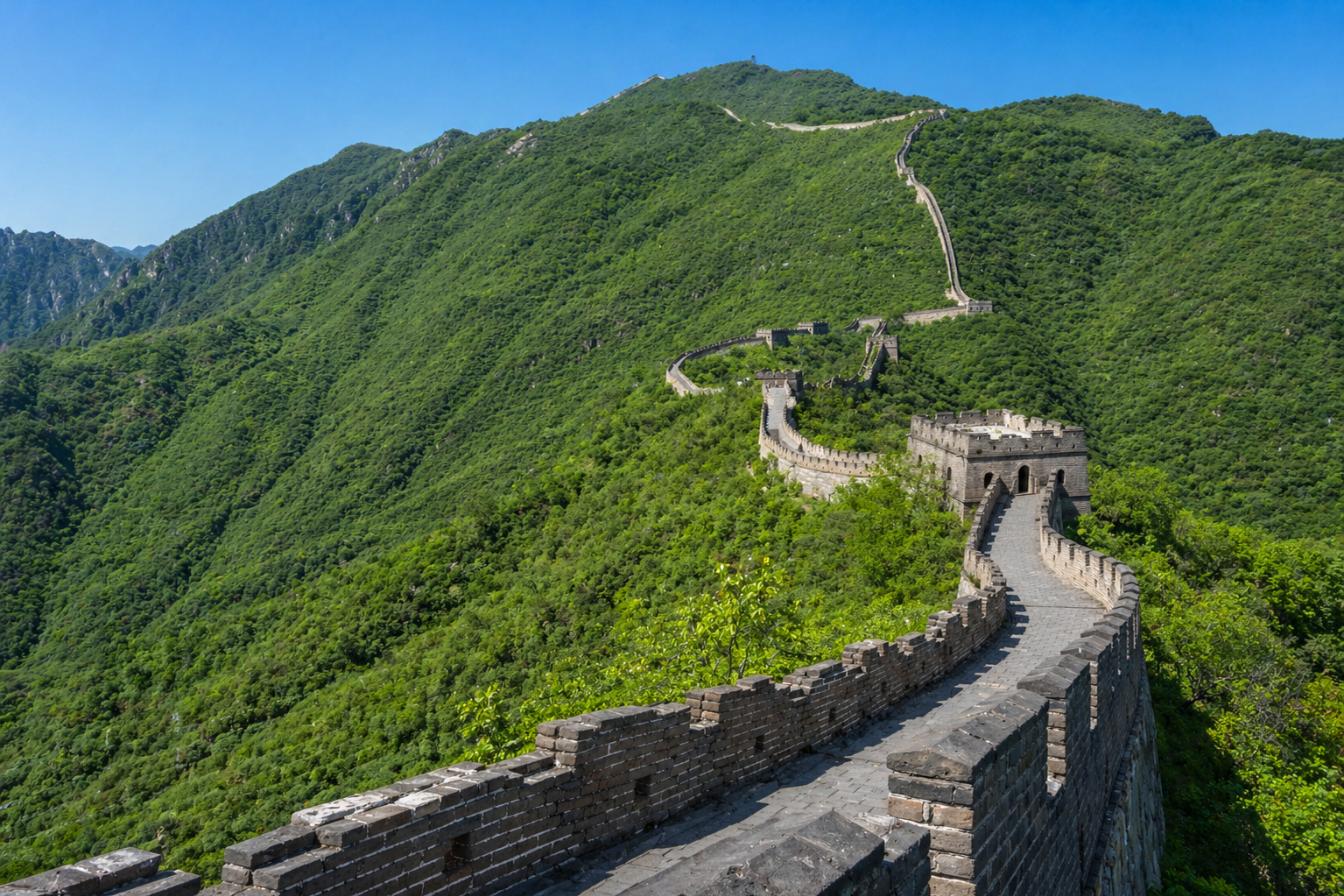
It is still a demanding hike that needs a guide for the Jiankou part, but it is the sensible way to taste the wild wall. The Mutianyu cable car and toboggan make the finish easy, and for most people Jinshanling delivers much of the same wild character with safe footing.
How Does Jiankou Compare To The Other Sections?
Jiankou is the most dramatic and the most dangerous; Jinshanling is nearly as wild but safe to walk; Mutianyu and Badaling are the easy, restored options. It sits at the extreme end of the effort-and-risk scale.
If the wild wall is what draws you but Jiankou is more than you want, our guide to which Great Wall section to visit ranks the alternatives, and our guided Great Wall of China Beijing tours reach the safe sections without the risk.
Who Should And Should Not Go
Jiankou suits experienced, fit walkers and keen photographers travelling with proper support. It is emphatically not for young children, casual visitors, anyone with mobility concerns, or a first Great Wall outing. If Jiankou sounds like more than you want, Jinshanling offers much of the same wild, tower-studded character with restored footing and far less risk, and it is the better choice for most people who are drawn to the idea of the untamed wall.
The Jiankou product is not recommended under eight or during pregnancy and is not wheelchair accessible. Prior hiking experience is recommended; these exclusions are not solved by booking a guide.