Best Time To Visit The Great Wall Of China: Month By Month (2026)
The Great Wall is open all year, but the difference between a good day and a great one comes down to timing. Two things decide it: the weather over Beijing's mountains, which swings hard between seasons, and the crowds, which spike on a predictable handful of dates.
In Brief: Month, daylight and walking preference work together. Use the end selector to weigh a restored-wall visit against a longer hiking day.
Explore Mutianyu With A Private Guide
Beijing sits at the northern edge of the North China Plain where it meets the mountains the Wall was built along, so it has a continental climate: cold, dry winters, hot and humid summers, and two short, brilliant shoulder seasons in between. Those shoulder seasons are your target.
The Best Months: April, May, September And October
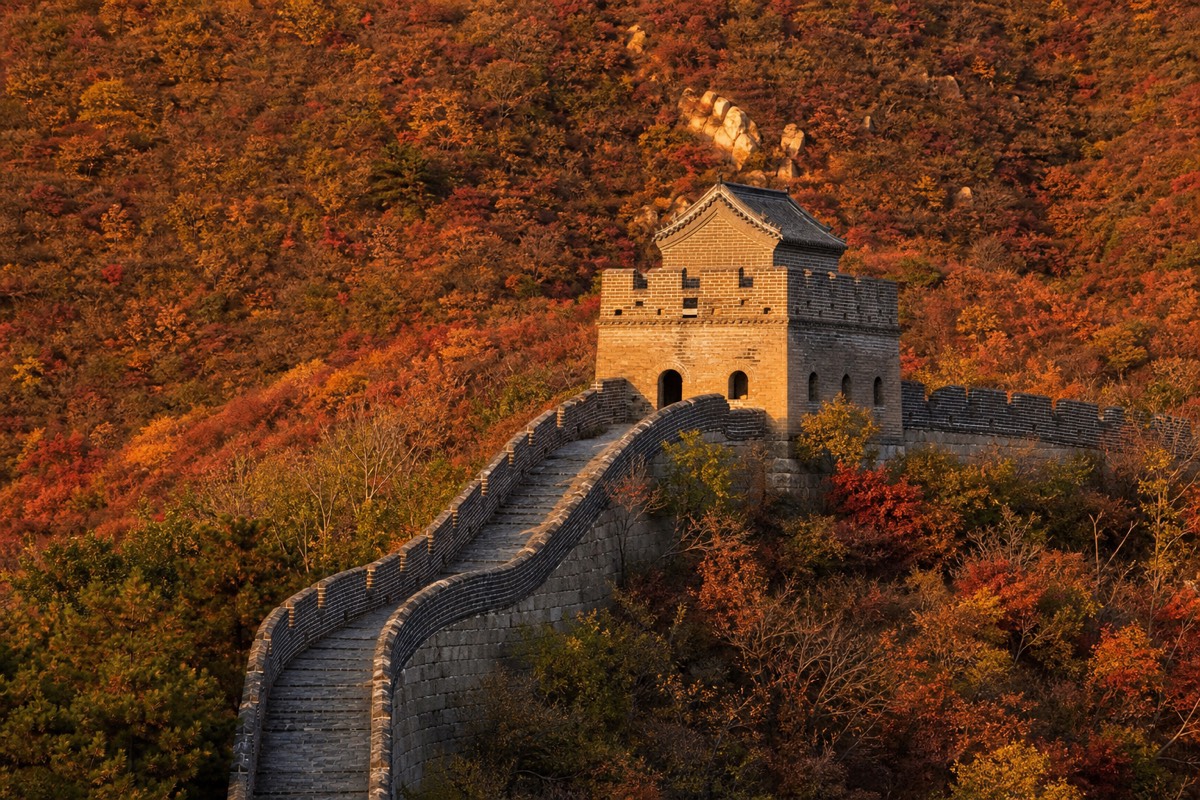
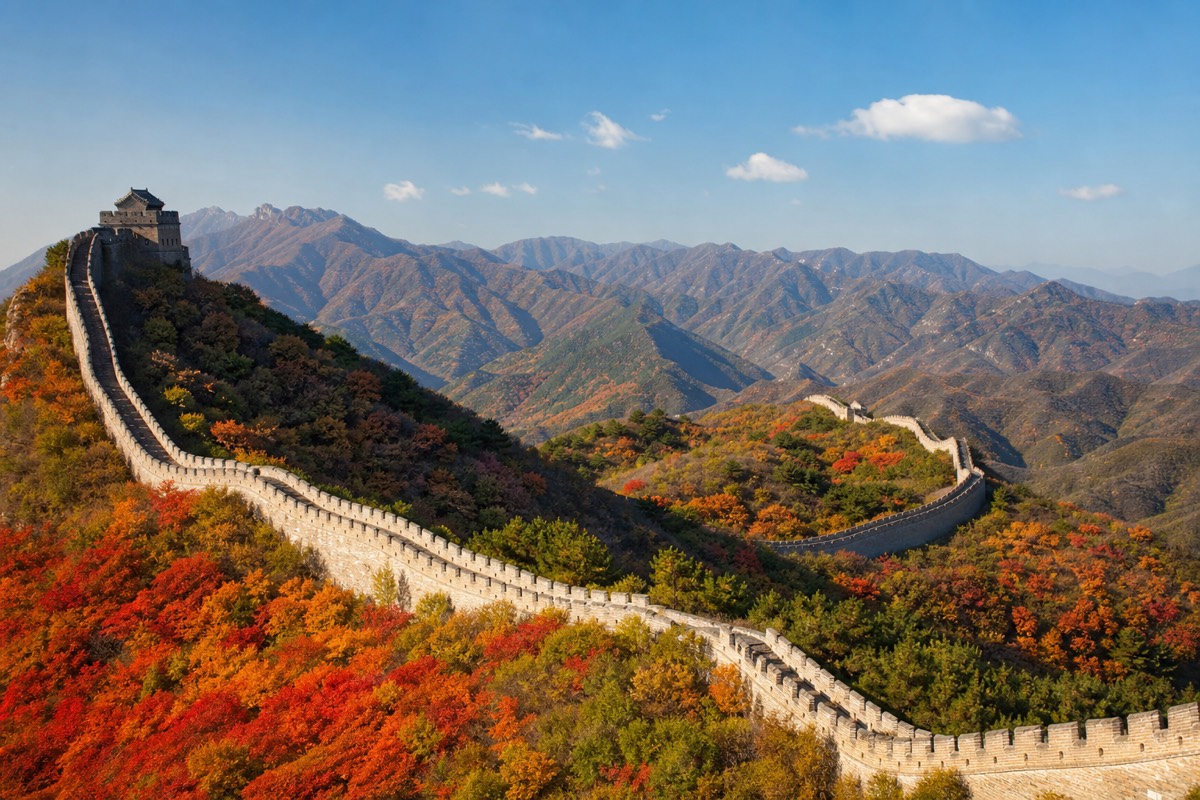
Spring and autumn are the sweet spot. April and May bring mild temperatures and fresh green on the hills. September and October give clear skies, comfortable walking weather and, later in October, autumn colour on the forested slopes around Mutianyu and Jinshanling. Rainfall is lower, visibility is better, and the light is kind to photographs.
Season By Season
Spring (March to May): cool and clearing, with the hills greening through April and May. Early March can still be bare and cold; by late April it is lovely.
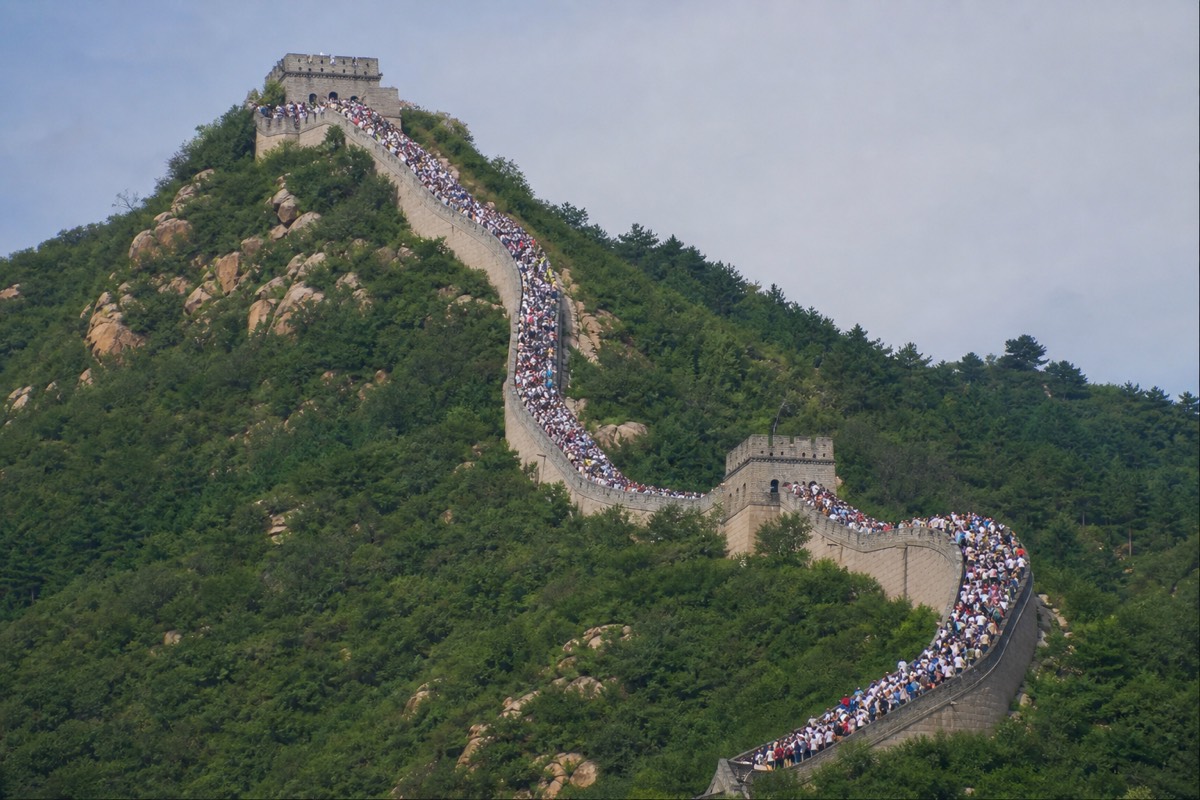
Summer (June to August): hot, humid and prone to haze, with the occasional downpour. The scenery is at its greenest, but midday heat on exposed stone is real, and summer weekends draw big crowds. If you visit in summer, go early and carry more water than you think you need.
Autumn (September to November): for many the best of all. September and October are dry and clear, and the autumn foliage in late October is spectacular. This is peak season for good reason.
Winter (December to February): cold and quiet, with the chance of snow. A snow-dusted wall under low winter sun is one of the great sights, and you may have long stretches almost to yourself. The trade-offs are real cold, short daylight, icy steps, and the chance that some cable cars pause, so check operations and stick to the restored sections like Mutianyu or Badaling.
The Dates To Avoid
Three periods turn any section into a scrum:
- Golden Week (roughly 1 to 7 October): the single busiest week of the Chinese year. Badaling hits its 65,000 cap and the farther sections fill too. Beautiful weather, impossible crowds.
- Chinese New Year (late January or February): domestic travel peaks and many services run holiday schedules.
- Summer weekends: hot and busy, with daily numbers well above the norm.
If your trip lands on one of these, the fix is simple: pick a quieter section such as Jinshanling, and start at opening.
Best Time Of Day
Whatever the month, the first two hours after opening are the prize. Coaches from the city tend to arrive mid-morning, so an early start buys you emptier ramparts and softer light. Our guided Great Wall of China Beijing tours are built around this early start, which is one of their quiet advantages. Late afternoon works too, as the day-trippers thin out, though you need to watch the closing time and the last cable car.
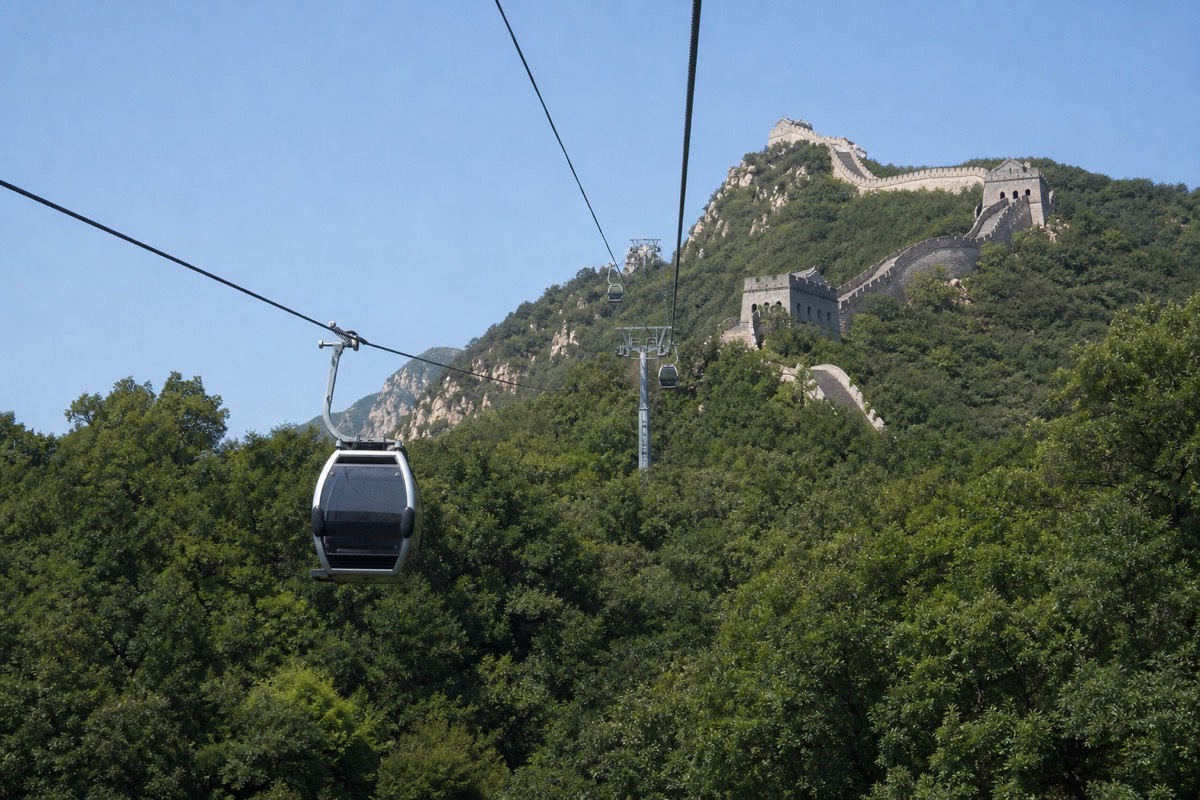
Is The Great Wall Worth Visiting In Winter?
Yes, if you dress for it: a snow-dusted Great Wall under low winter sun, with almost no crowds, is one of the great sights, and the trade-off is cold, short days and the odd closed cable car. Winter is the connoisseur's season, quiet and stark and beautiful.
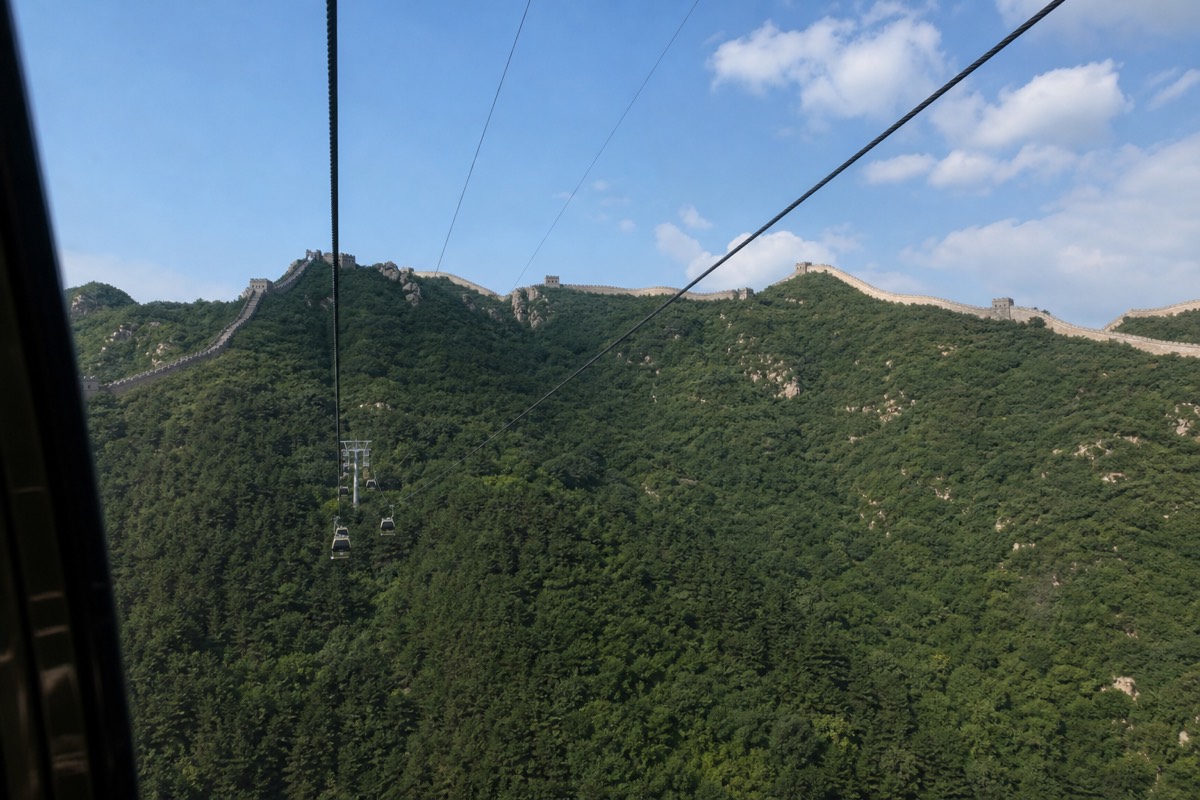
Stick to the restored sections like Mutianyu and Badaling, where the footing is safer and services more reliable; the wild sections are treacherous in ice. Check that the cable car is running before you travel, because some pause in hard weather. If snow and solitude appeal more than warmth, winter rewards you, and the question of whether the Wall is worth visiting answers itself on a clear, white morning.
Which Month Is Best For Photography And Autumn Colour?
Late October is the standout: the forested slopes around Mutianyu and Jinshanling turn red and gold, the air is clear, and the low autumn light rakes across the ramparts. For pure scenery, nothing beats a clear late-October day.
Spring's fresh green in late April and May is lovely too, and a clear day after summer rain gives the cleanest long views. The sections that reward the effort most are the wild, sweeping ones; our guide to Great Wall photo spots covers where to point the camera, and Jinshanling in autumn is as good as it gets.
How Does The Season Change Which Section To Visit?
Season and section interact: in peak crowds head for quiet Jinshanling over packed Badaling, in winter stick to restored Mutianyu, and in autumn chase the forested sections for colour. The best month and the best section are one decision, not two.
On a hot summer weekend, a quieter far section beats a famous crowded one. In deep winter, the accessible restored sections are safer. In glorious autumn, the tree-backed sections shine. Work out which section to visit alongside your dates, and if the timing is tight, a guided trip lets you hit the quiet window at the right section without the transport gamble.
When Is The Great Wall Least Crowded?
Weekday mornings outside the holidays, and the winter months, are the quietest times; weekends, Golden Week and Chinese New Year are the busiest by a wide margin. If solitude matters, the calendar matters as much as the section.
A weekday visit in November or March, starting at opening, can feel almost private even at a popular section. The same section on a Golden Week Saturday is a different experience entirely. If your dates are fixed on a busy period, the fix is the same as ever: pick a quieter section like Jinshanling and be at the gate when it opens.
A Month-By-Month Snapshot
| Month | Weather | Crowds | Verdict |
|---|---|---|---|
| Jan to Feb | Cold, possible snow | Low (except New Year) | Quiet and beautiful, dress for it |
| Mar | Cool, bare early | Low | Improving through the month |
| Apr to May | Mild, greening | Rising | Excellent |
| Jun to Aug | Hot, humid, hazy | High on weekends | Go early, carry water |
| Sep to Oct | Clear, mild, autumn colour | Very high in Golden Week | Best, avoid 1 to 7 Oct |
| Nov | Cold, crisp, clear | Low | Underrated |
| Dec | Cold, snow possible | Low | Atmospheric, restored sections only |