Huanghuacheng: The Lakeside Great Wall
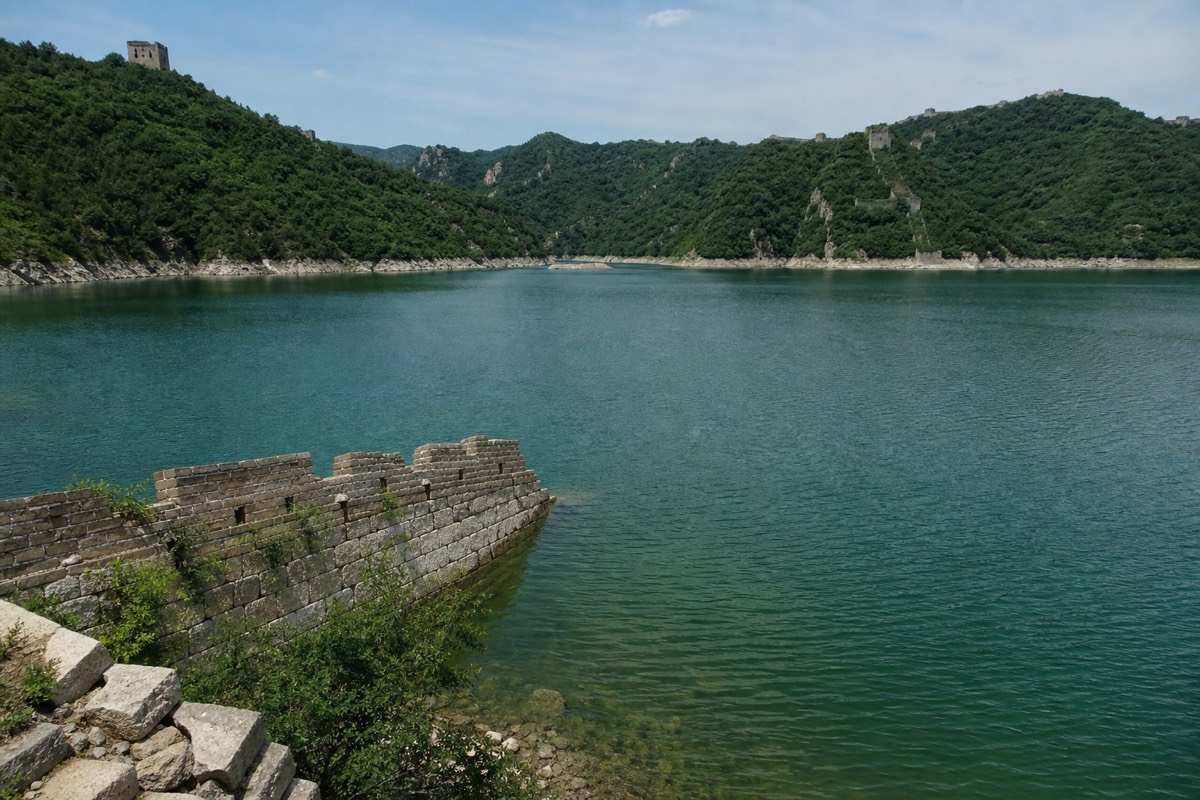
One section of the Great Wall does something none of the others do: it runs down into a lake and disappears beneath the surface. Huanghuacheng, the Water Great Wall, is the quiet, green alternative for anyone who has seen the famous sections and wants somewhere the coaches skip.
In Brief: Choose a Huanghuacheng-only day for the lakeside setting. Boat rides and meals are separate on the selected Viator tour.
Explore Huanghuacheng Lakeside Day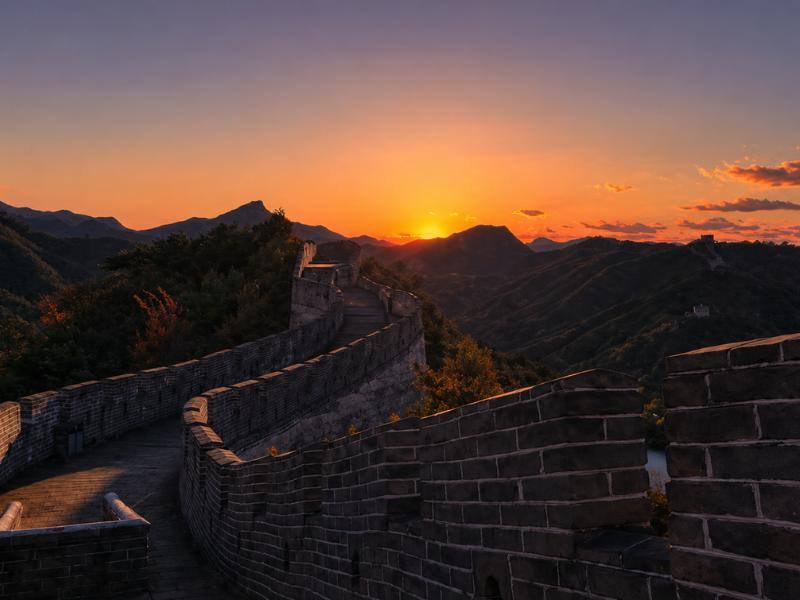
Huanghuacheng sits about 70 km north of Beijing, and its nickname, the Water Great Wall, is literal. Here the Ming ramparts meet a reservoir, so parts of the wall run right down to the shoreline and, in higher water, vanish into it. It is one of the region's most distinctive and least crowded sections.
What Makes It Different
Most Great Wall sections are about ridgelines and sky. Huanghuacheng adds water. The combination of stone wall, green hills and a broad reservoir gives it a softer, more pastoral feel than the dramatic ridges of Jinshanling or the crowds of Badaling. Sections of wall descend into the lake and re-emerge on the far side, which is a genuinely unusual sight, and the surrounding valley is known for its chestnut groves, so autumn is especially pretty.
What To Expect On A Visit
Huanghuacheng is quieter and less developed than the headline sections, which is much of its appeal. There is restored wall to walk, lakeside paths, and in season the option of a short boat trip on the reservoir for a different angle on the ramparts. It is greener and gentler overall, though as with anywhere on the Wall there are steep, uneven stretches, so decent shoes still matter. Facilities are more limited than at Mutianyu or Badaling, so bring water and snacks.
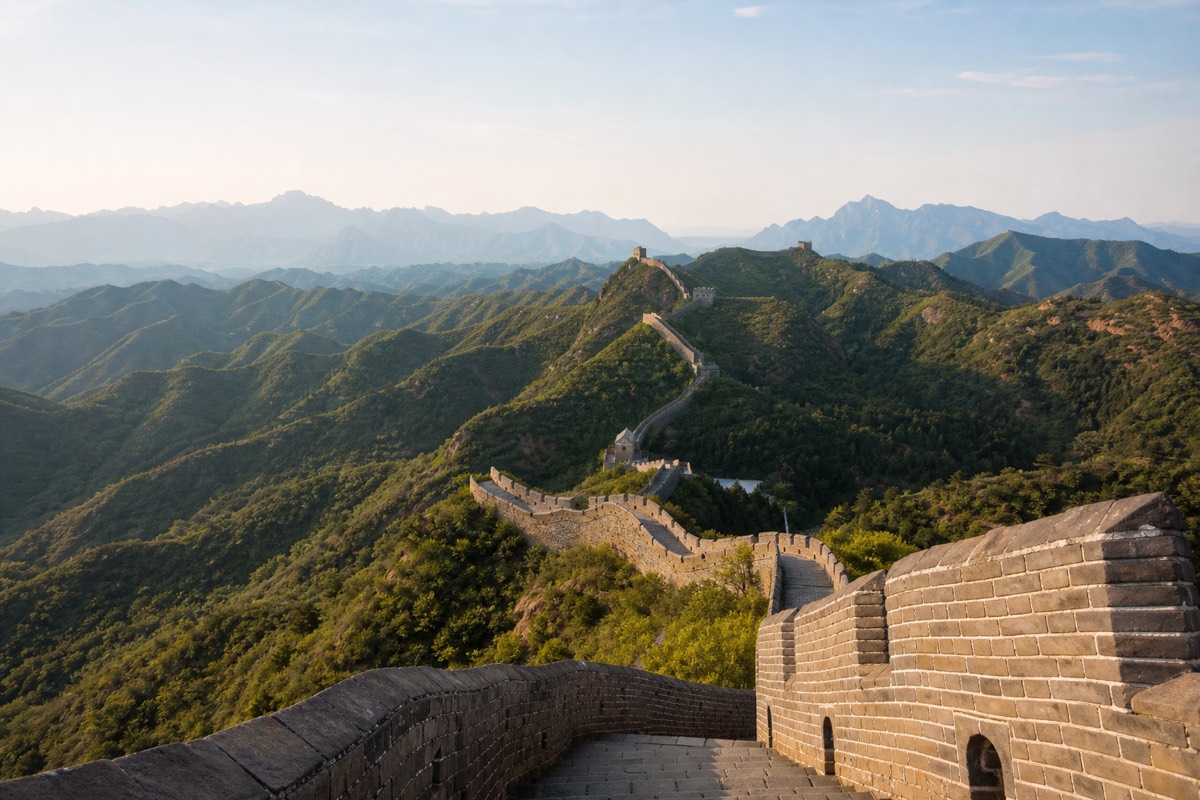
Best for: a second Great Wall visit, travellers who want somewhere calm and photogenic away from the crowds, and anyone drawn to the unusual sight of the wall meeting the water. Autumn, when the chestnut valley turns colour, is the standout season.
When To Go
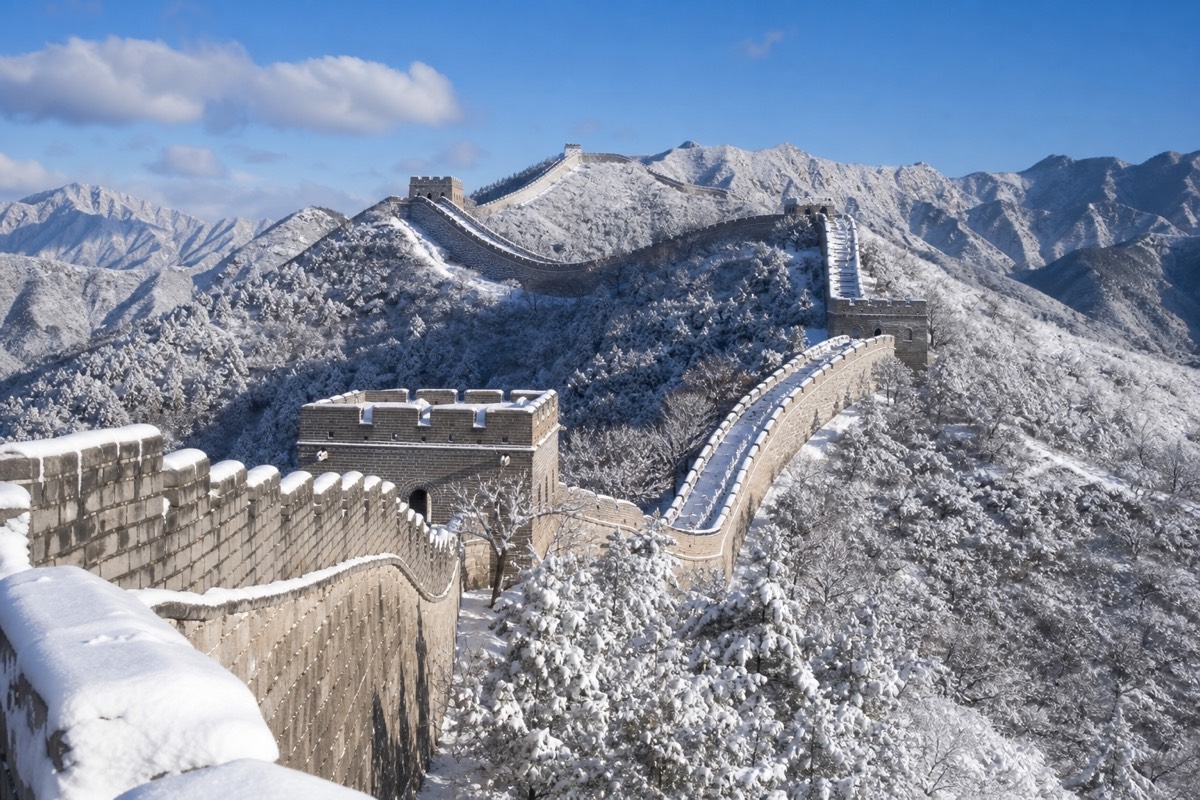
Spring and autumn are ideal, as everywhere on the Wall, with autumn adding the chestnut-valley colour. Summer is green and pleasant by the water but can be hazy and hot; winter is quiet and stark. Water levels in the reservoir change through the year, which affects how much of the submerged wall is visible, so the scene is never quite the same twice.
How Do You Get To Huanghuacheng From Beijing?
Huanghuacheng is about 70 km north of Beijing with limited public transport, so a guided tour or private car is the easiest way to reach it and make a relaxed day of it. Being off the main tourist track is its charm and its logistical catch.
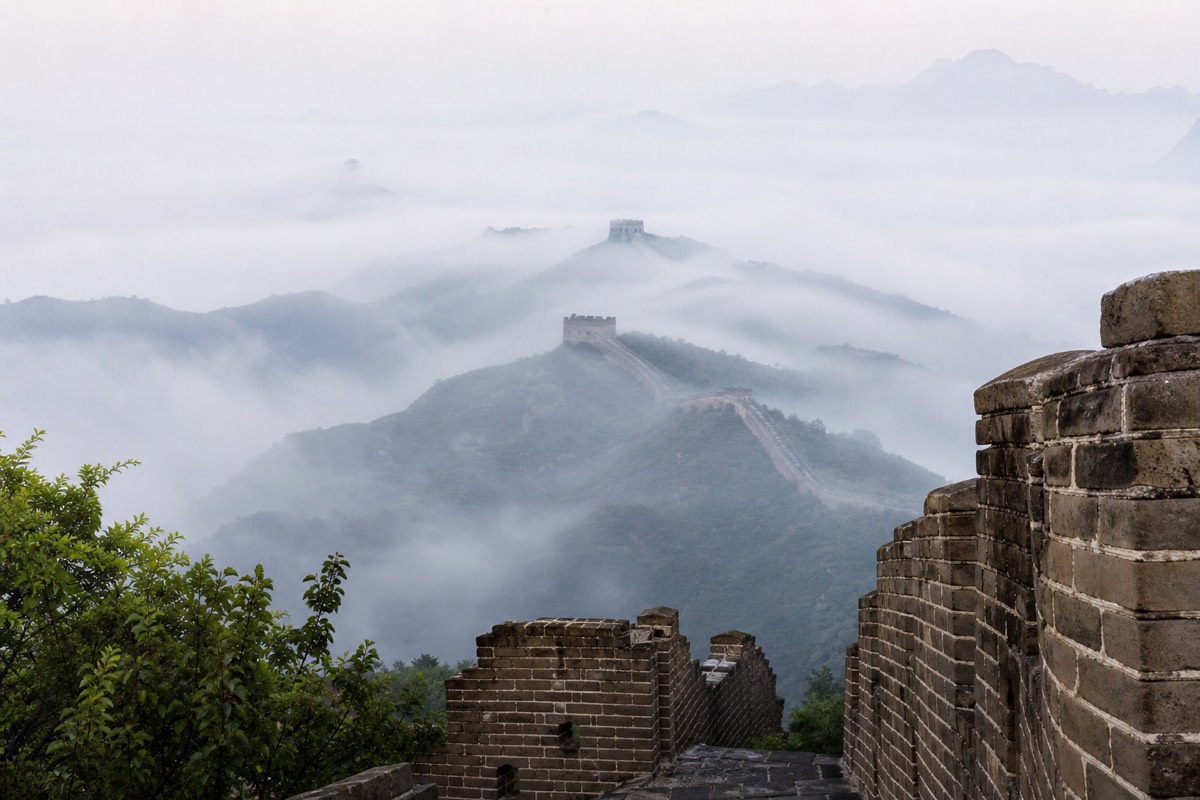
Because it is quieter and less set up for mass tourism, the transport options are thinner than for Badaling; our guide to getting from Beijing to the Great Wall explains the trade-offs. It suits a second visit, so it often pairs with a longer stay, as covered in how many days you need in Beijing.
When Is Huanghuacheng At Its Best?
Autumn, when the chestnut valley turns colour, and any clear day when the reservoir is high enough to show the wall meeting the water. Water levels shift through the year, so the scene is never quite the same twice.
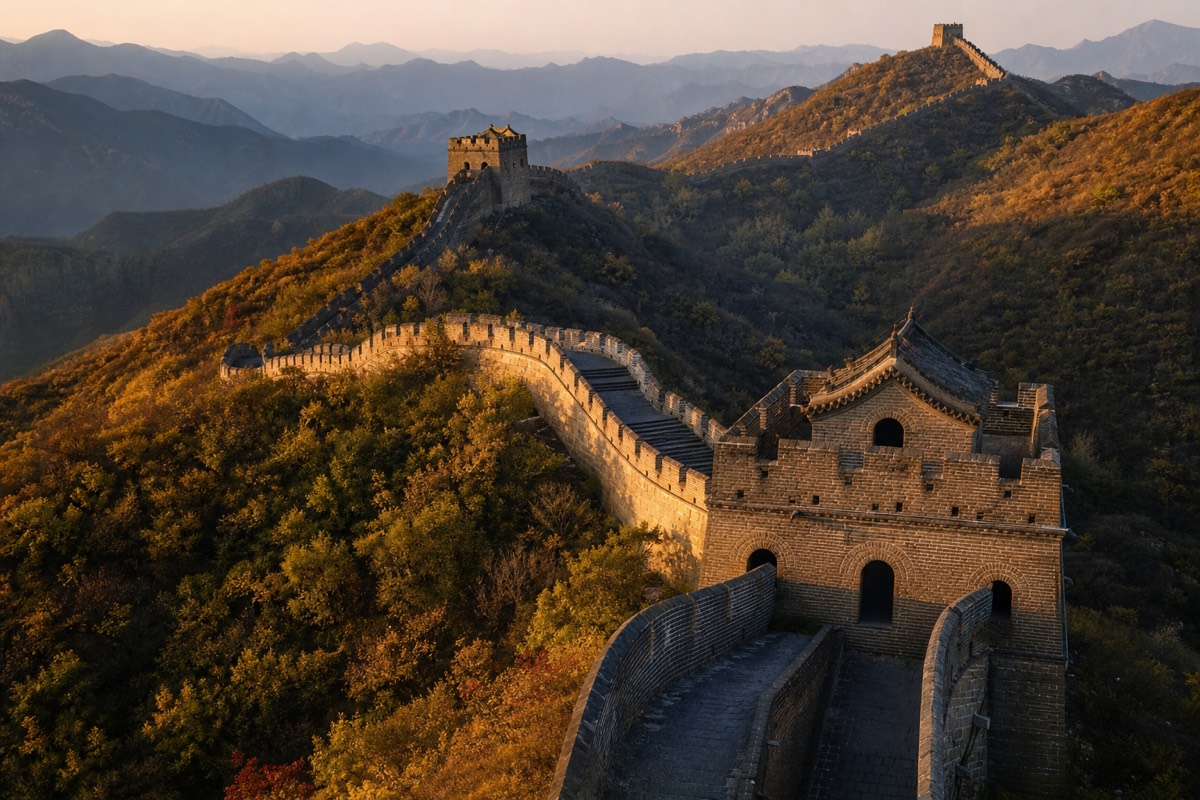
Spring green and autumn gold both suit the lakeside setting; our guide to the best time to visit the Great Wall covers the seasons. For the unusual wall-into-water shot, see our guide to Great Wall photo spots.
How It Compares
Huanghuacheng is not the section for a first-timer chasing the iconic view; that is Mutianyu or Badaling. Nor is it the section for a serious hike; that is Jinshanling. What it offers instead is calm, water and a different kind of beauty, which makes it a rewarding choice for a repeat visit or for travellers who actively want to avoid the crowds. Because it is quieter and less set up for mass tourism, a guided trip or private car is the easiest way to reach it and make a relaxed day of it.