Walking The Great Wall: How Long, How Hard, How Many Steps
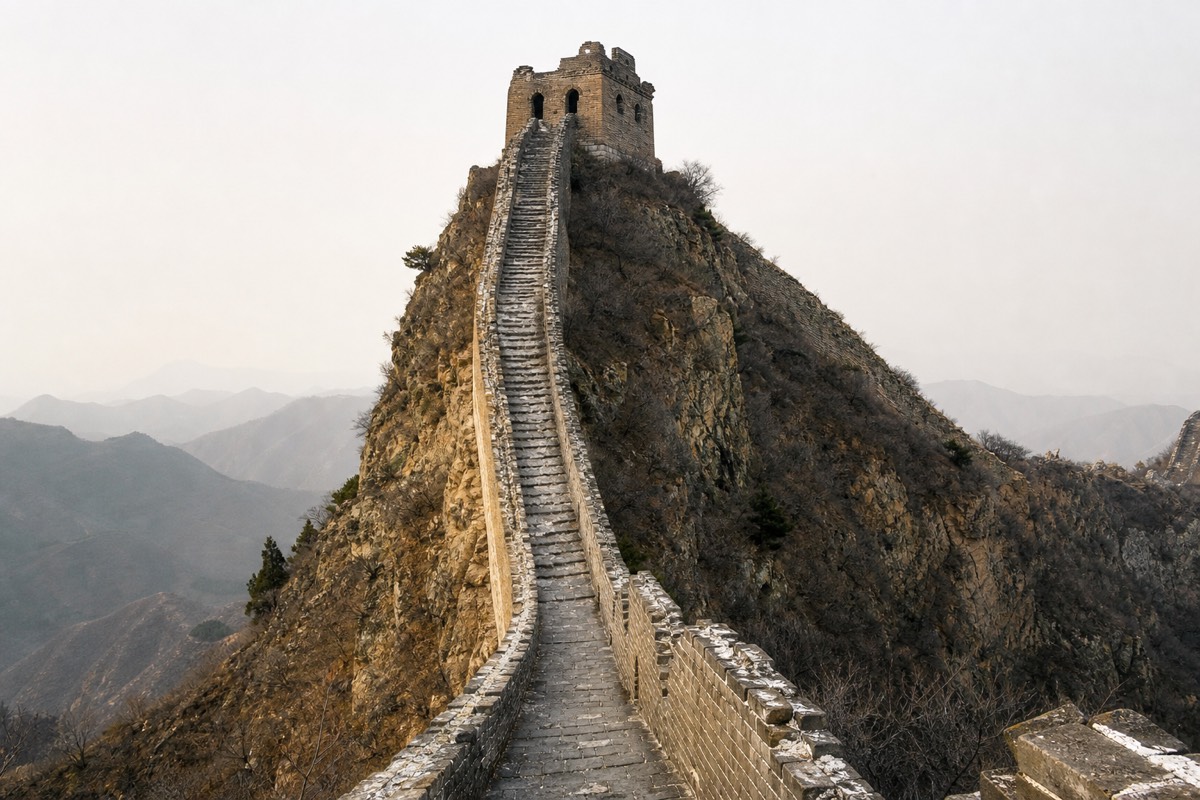
People underestimate the Great Wall. It looks like a walkway in photographs, but it was built along mountain ridges, so it climbs and drops with the land, and some flights of steps are steep, tall and uneven. How hard your walk is depends almost entirely on which section you pick.
In Brief: Choose by terrain and time, not step counts. Jinshanling suits a hiking-focused day; Mutianyu offers optional rides to reduce the approach climb.
Explore Jinshanling Private Hiking Day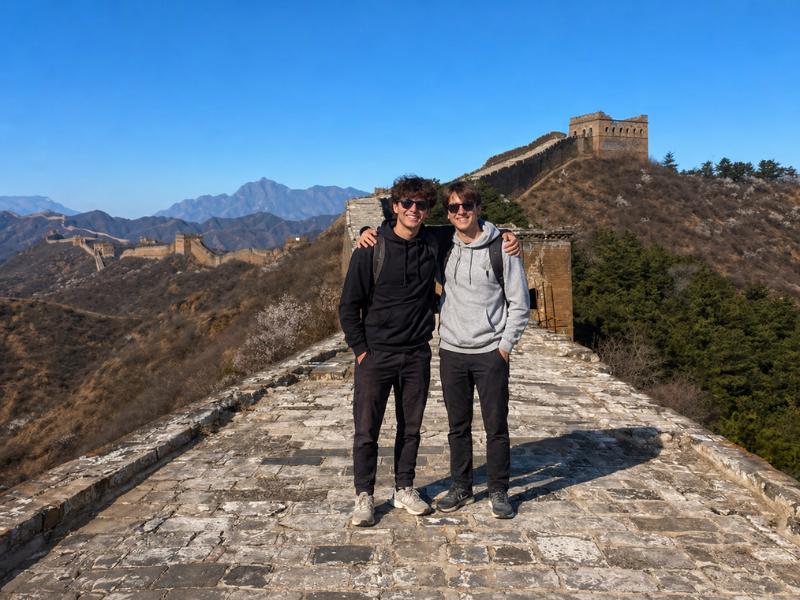
Route note: the tours below follow their current operator itineraries. A continuous Jinshanling-to-Simatai crossing is not promised. Weather or access restrictions can change a hiking route. Walking and ride note: restored ramparts still have steep, uneven steps. Cable cars reduce the approach climb but do not establish step-free access or suitability for every traveller. Confirm rider restrictions and current operations before booking.
There is no single answer to "how hard is it," because the restored tourist sections and the wild hiking sections are different experiences. This guide gives real distances and times so you can match the walk to your fitness.
How Steep Is It, Really?
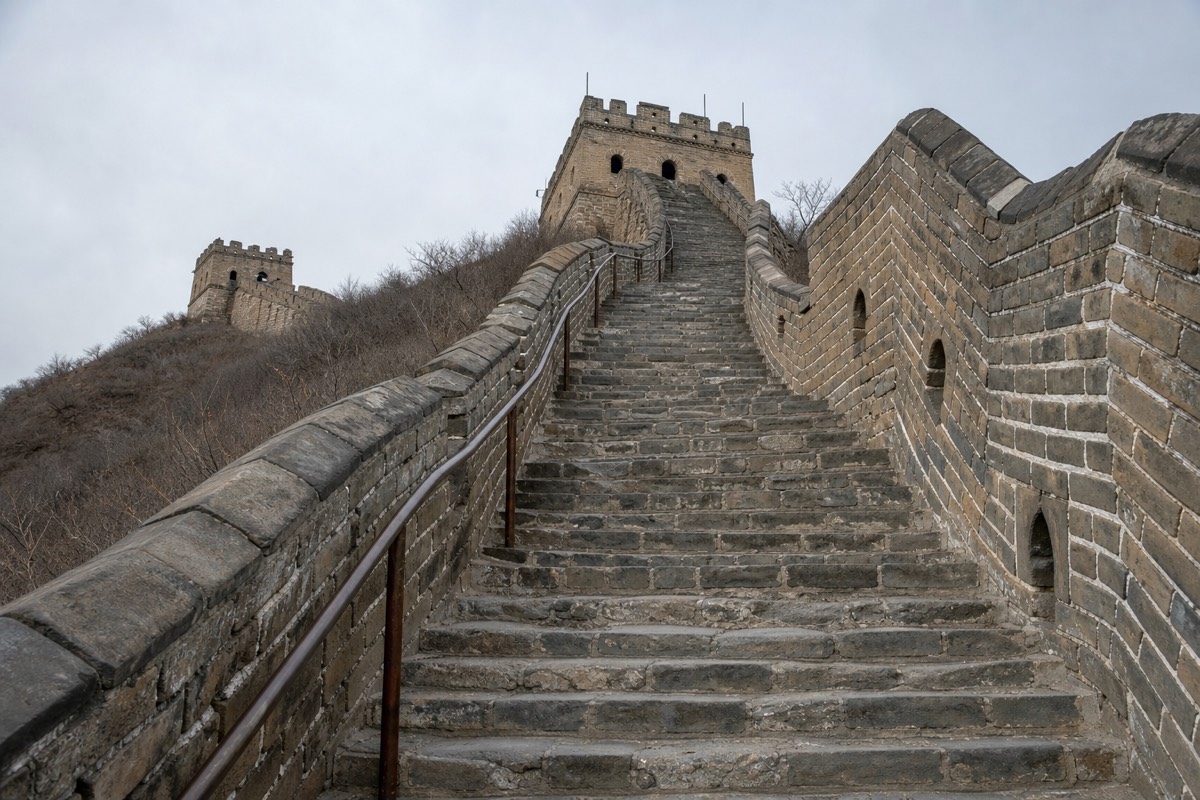
The Wall follows ridgelines, so it is rarely flat for long. Steps vary wildly in height and depth, some are shallow, others reach knee height, and in the steepest stretches you use your hands or the handrails where they exist. This is not a smooth promenade. It is a strenuous walk in parts, and good shoes matter more than almost anything else you bring.
Mutianyu: Manageable For Most
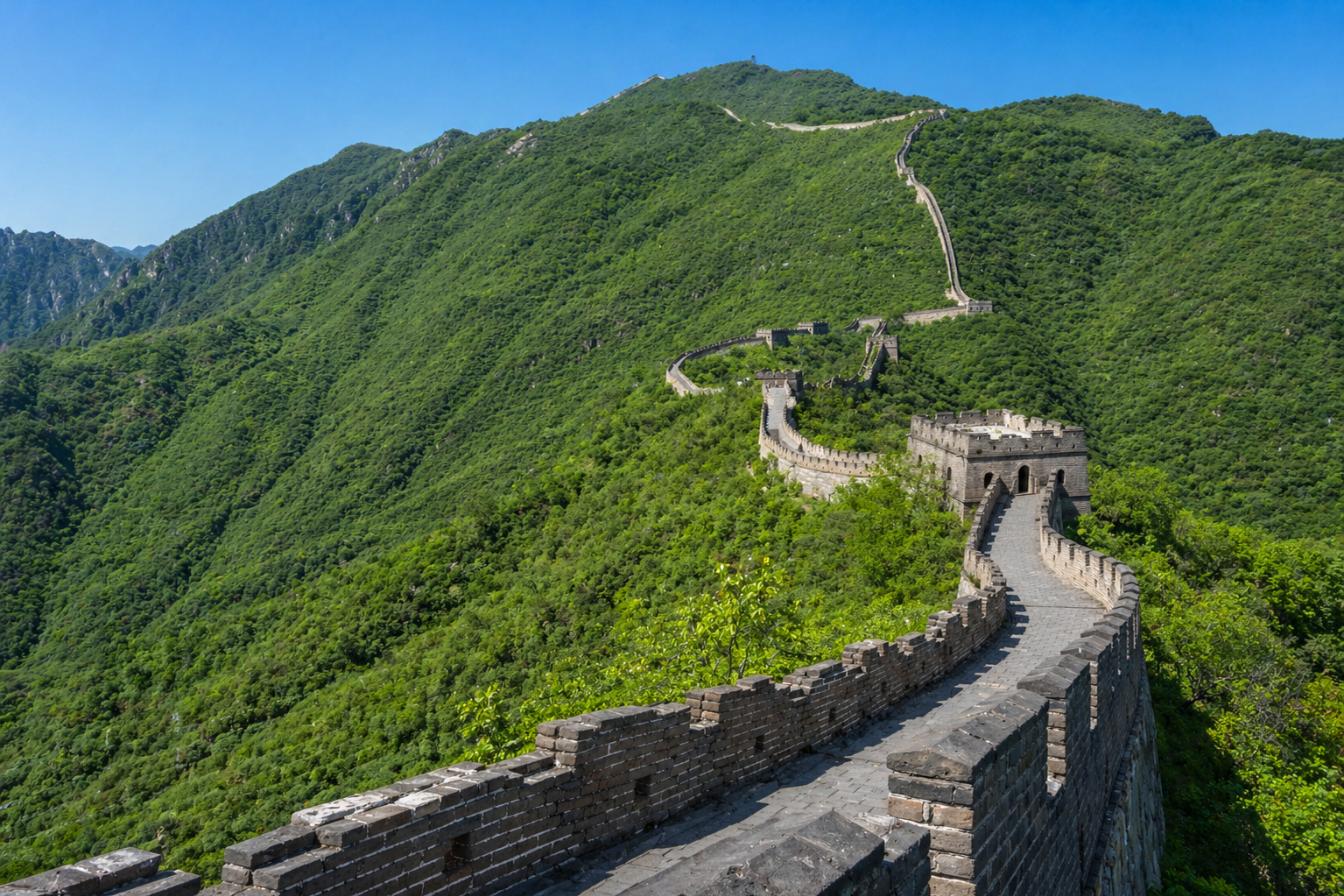
Mutianyu is the gentlest of the popular sections, especially if you take the cable car up and skip the initial climb. Once on the wall, the open stretch rolls along the ridge with a mix of level runs and steeper flights between watchtowers. Popular walking routes take around two hours one way at a relaxed pace; a longer out-and-back is three and a half to four hours. Most reasonably mobile visitors handle Mutianyu comfortably, and the cable car and toboggan remove the hardest parts.
Badaling: Solid Steps, Big Crowds
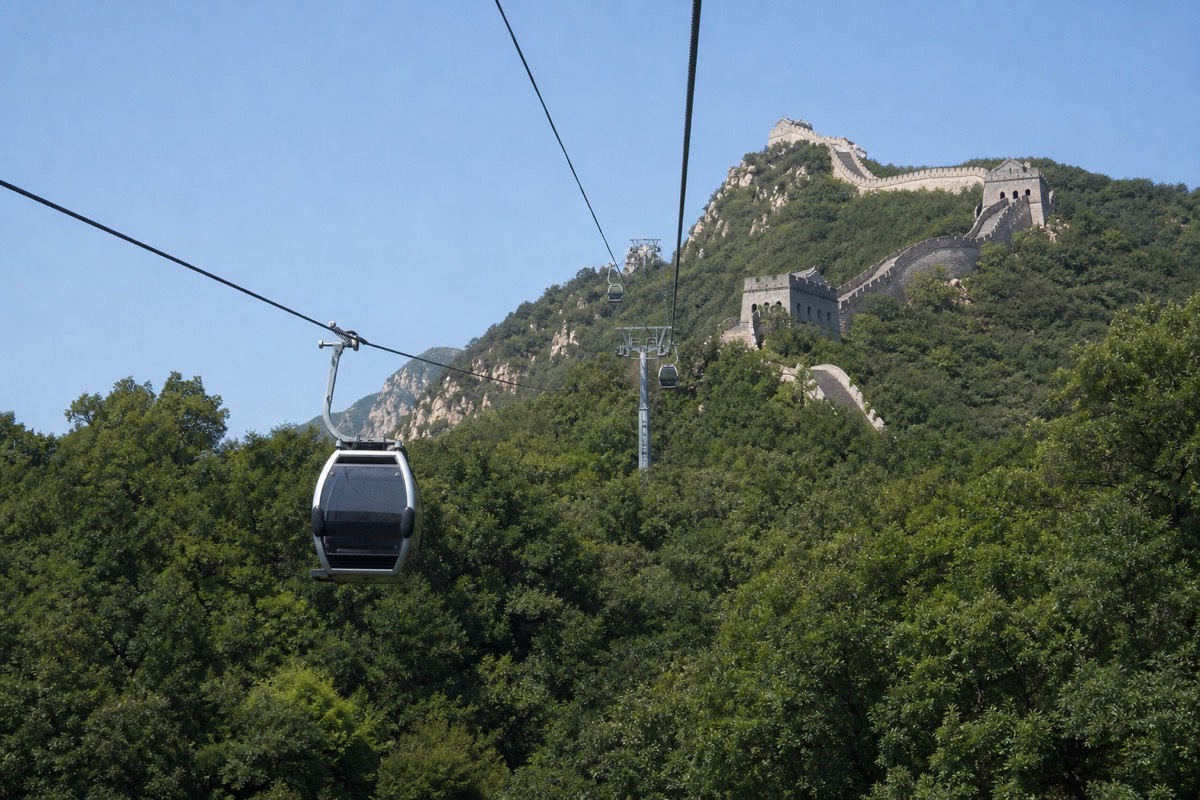
Badaling is broad and heavily restored, so the surface is even, but it has some genuinely steep sections and, on busy days, the crowds themselves slow you down. A cable car reduces the climb. It is physically easier than the wild sections but the volume of people is its own kind of effort.
The Jinshanling To Simatai Hike: The Real Walk
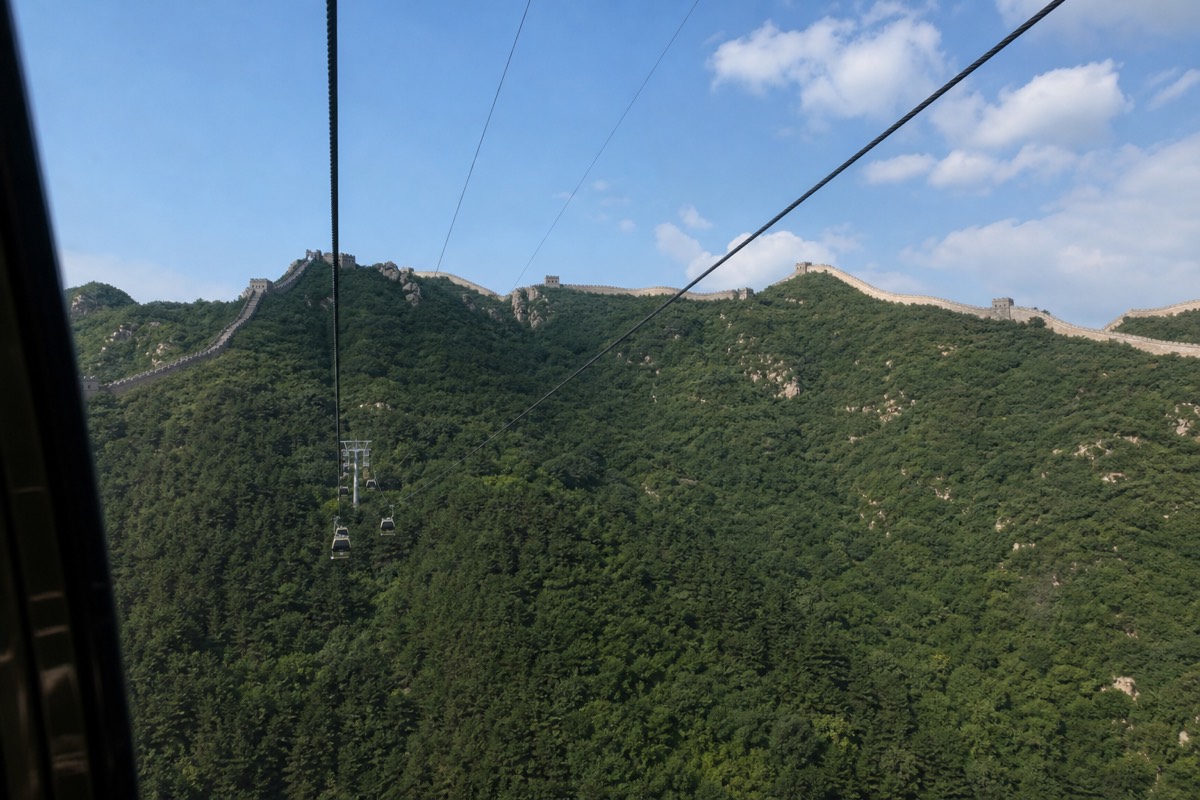
The classic Great Wall hike runs from Jinshanling toward Simatai: roughly 10 km (6 miles), taking about 4 to 5 hours one way over restored and partly wild wall. This is a proper hillwalk with steep climbs, broken steps and exposed sections. The reward is the finest continuous wall scenery near Beijing and almost no crowds. It suits fit, sure-footed walkers, not first-timers looking for a stroll.
How Many Steps And How Much Climbing?
Nobody gives a reliable single step count because the wall constantly rises and falls, and the totals differ by route. The honest way to think about it is in time and terrain rather than steps: a couple of hours of undulating walking at Mutianyu, or a half-day mountain hike at Jinshanling. Treat any exact "10,000 steps" figure you see online with suspicion.
Pacing And What To Bring
- Wear proper walking shoes with grip; the stone is smooth and can be slick.
- Carry 1.5 to 2 litres of water per person. There is little or nothing to buy on the wall itself.
- Start early to walk in cooler air and beat the crowds.
- Use the cable car to skip the steepest climb if you want to save energy for the views.
- Know your turn-around time on long hikes so you are not rushing the descent.
Can Beginners And Unfit Visitors Walk The Great Wall?
Yes, at Mutianyu with the cable car: it drops you onto a walkable stretch so you skip the hardest climb and go only as far as feels comfortable. The Wall is a mountain staircase, but you do not have to walk all of it, and the restored sections give you a safe surface and a turn-around point whenever you want one.
The trick is matching the section to your fitness. Mutianyu and Badaling are manageable for most reasonably mobile people; the wild, long sections are not. If you are unsure, choose the easiest section, use the cable car, and treat it as a stroll with a view. Our guide to which Great Wall section to visit ranks them by difficulty.
How Do You Make The Walk Easier?
Use the cable car for the climb, wear cushioned shoes with grip, set a modest turn-around point, and go early when it is cooler. Small choices make the difference between an enjoyable walk and sore knees.
The descents punish knees more than the climbs, so grip and cushioning matter, and the Mutianyu cable car and toboggan exist precisely to spare your legs. Full detail on gradients and steps is in our guide to Great Wall stairs and fitness. Carry plenty of water; there is little to buy on the ramparts.
What Should You Wear And Bring?
Proper walking shoes with grip are the single most important item, followed by 1.5 to 2 litres of water per person, sun protection, and layers in the cooler months. The stone is smooth and can be slick, so footwear beats everything else you pack.
There is little shade on the exposed ramparts and almost nothing to buy once you are walking, so bring your own water and snacks. For the serious hikes like Jinshanling to Simatai, add proper hillwalking kit and a sensible turn-around time.
Which Walk Suits You
| Section | Distance / time | Difficulty |
|---|---|---|
| Mutianyu (cable car up) | ~2 h one way | Moderate |
| Badaling | 1 to 2 h | Moderate, crowded |
| Jinshanling to Simatai | ~10 km, 4 to 5 h | Strenuous |
If you want a demanding, memorable hillwalk, a guided Jinshanling tour handles the logistics and the pacing. If you want the wall without the strain, Mutianyu with the cable car is the answer.